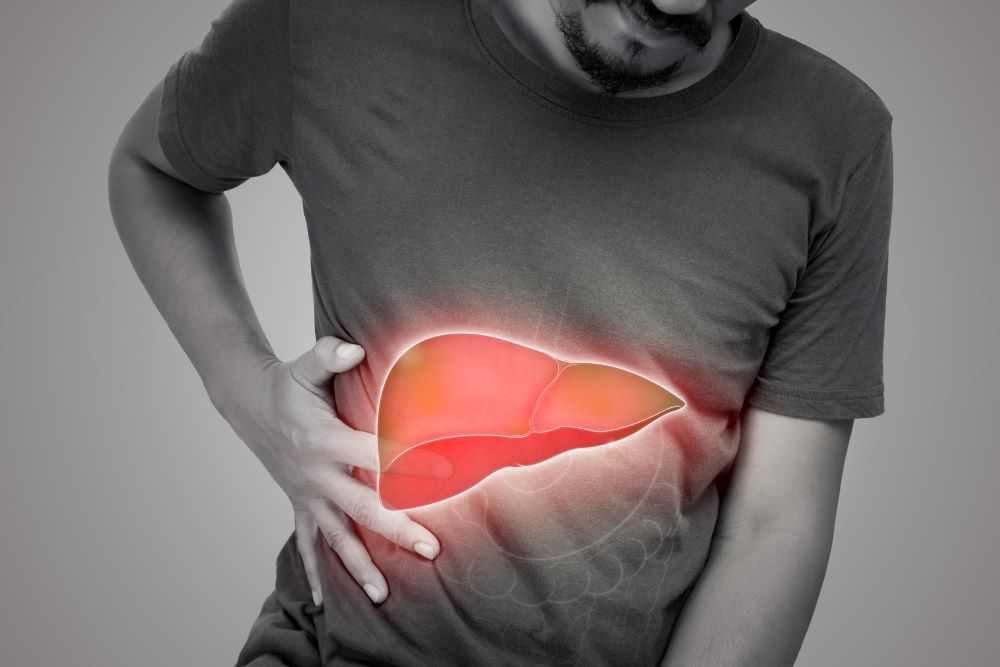

The liver is an important organ responsible for filtering toxins from the blood, producing essential proteins, supporting digestion, and storing important nutrients. Liver disease often develops quietly, with symptoms appearing only after significant damage has occurred. Being aware of the warning signs of liver disease is crucial for early detection and timely intervention. Recognising these signs early allows patients to seek medical attention promptly, prevent complications, and maintain long-term liver health and overall well-being.
Understanding Liver Disease
Liver disease refers to any condition that impairs the liver’s ability to function effectively. Common causes include viral infections such as hepatitis B and C, non-alcoholic fatty liver disease, often linked to obesity and poor diet, excessive alcohol consumption, autoimmune disorders, and genetic conditions. Some liver diseases progress gradually over several years without noticeable symptoms, while others can develop rapidly and lead to serious complications. Consulting a liver specialist in Mumbai at the first sign of symptoms is important for early diagnosis and effective management.
A liver specialist can recommend appropriate tests, monitor liver function, and provide guidance on lifestyle modifications or medical interventions to prevent further damage. Early detection and timely treatment can improve expected outcomes and help patients maintain better overall health and quality of life.
Common Warning Signs of Liver Disease
Liver disease often presents subtly, and many signs can be mistaken for less serious conditions. The following symptoms should be taken seriously:
- Persistent Fatigue and Weakness
Unexplained fatigue is often one of the first signs of liver dysfunction. When the liver fails to remove toxins efficiently, they accumulate in the body, leading to ongoing tiredness. Individuals may feel unusually weak or struggle with normal daily activities. Persistent fatigue that does not improve with rest warrants consultation with a medical professional.
- Jaundice
Jaundice appears as yellowing of the skin and eyes, resulting from the liver’s inability to process bilirubin. Other accompanying symptoms may include dark urine and pale stools. This condition is a clear indication of liver distress and should prompt immediate evaluation by a specialist. Early diagnosis can prevent further liver damage and guide proper treatment.
- Abdominal Discomfort and Swelling
Pain or discomfort in the upper right abdomen can signal liver inflammation or enlargement. In some cases, fluid accumulation in the abdomen, known as ascites, causes noticeable swelling and heaviness. These symptoms should not be ignored, as they may indicate advancing liver disease.
- Digestive Disturbances
Liver dysfunction can affect the digestive system, resulting in nausea, vomiting, bloating, and loss of appetite. Some patients may experience unexplained weight loss or difficulty digesting fatty foods. Persistent digestive issues, along with other warning signs, should prompt a medical evaluation.
- Changes in Urine and Stool Colour
Dark, amber-coloured urine and pale, clay-coloured stools can indicate impaired bile flow. These changes often accompany jaundice and are important indicators of liver stress. Noticing these changes early and seeking medical advice is crucial for timely intervention.
- Easy Bruising and Bleeding
The liver produces essential proteins for blood clotting. Impaired liver function can lead to easy bruising, frequent nosebleeds, or prolonged bleeding from minor injuries. These signs often indicate more advanced liver disease and should be evaluated promptly.
- Skin Changes and Itching
Persistent itching and spider-like blood vessels on the skin can be linked to liver dysfunction. These symptoms result from bile salt accumulation and may be accompanied by dry or inflamed skin. Consulting a liver specialist helps manage both the symptoms and the underlying condition.
Identifying these warning signs early can lead to timely evaluation and reduce the risk of serious complications.
Risk Factors That Increase Vulnerability
Certain medical and lifestyle factors increase the likelihood of liver disease. Common risk factors include:
- Chronic alcohol consumption
- Obesity and diabetes
- High cholesterol
- Chronic viral hepatitis
- Family history of liver disorders
Individuals with one or more of these risk factors should be especially vigilant. Regular health check-ups and consultation with a liver specialist in Mumbai can help detect problems early. Awareness of these factors also enables preventive measures such as diet modification, exercise, and timely hepatitis vaccination.
When to See a Liver Specialist?
Consulting a liver specialist is crucial if any of the above symptoms continue, worsen, or interfere with daily life. Specialists can perform liver function tests, imaging studies, and other evaluations to determine the cause of the problem. Timely treatment allows for appropriate care, which may include medication, lifestyle adjustments, or monitoring to prevent further damage. Maintaining a balanced diet, avoiding alcohol or harmful substances, and following medical guidance complement clinical care and support overall liver health.
Conclusion
Liver disease often progresses silently, making early recognition essential. Key warning signs include fatigue, jaundice, abdominal discomfort, digestive disturbances, changes in urine or stool colour, easy bruising, and skin changes. By consulting a liver specialist in Mumbai promptly, individuals can ensure accurate diagnosis, receive effective treatment, and reduce the risk of severe complications. Staying informed, monitoring risk factors, and adopting a proactive approach to liver health are essential steps in maintaining overall well-being and preventing long-term damage.