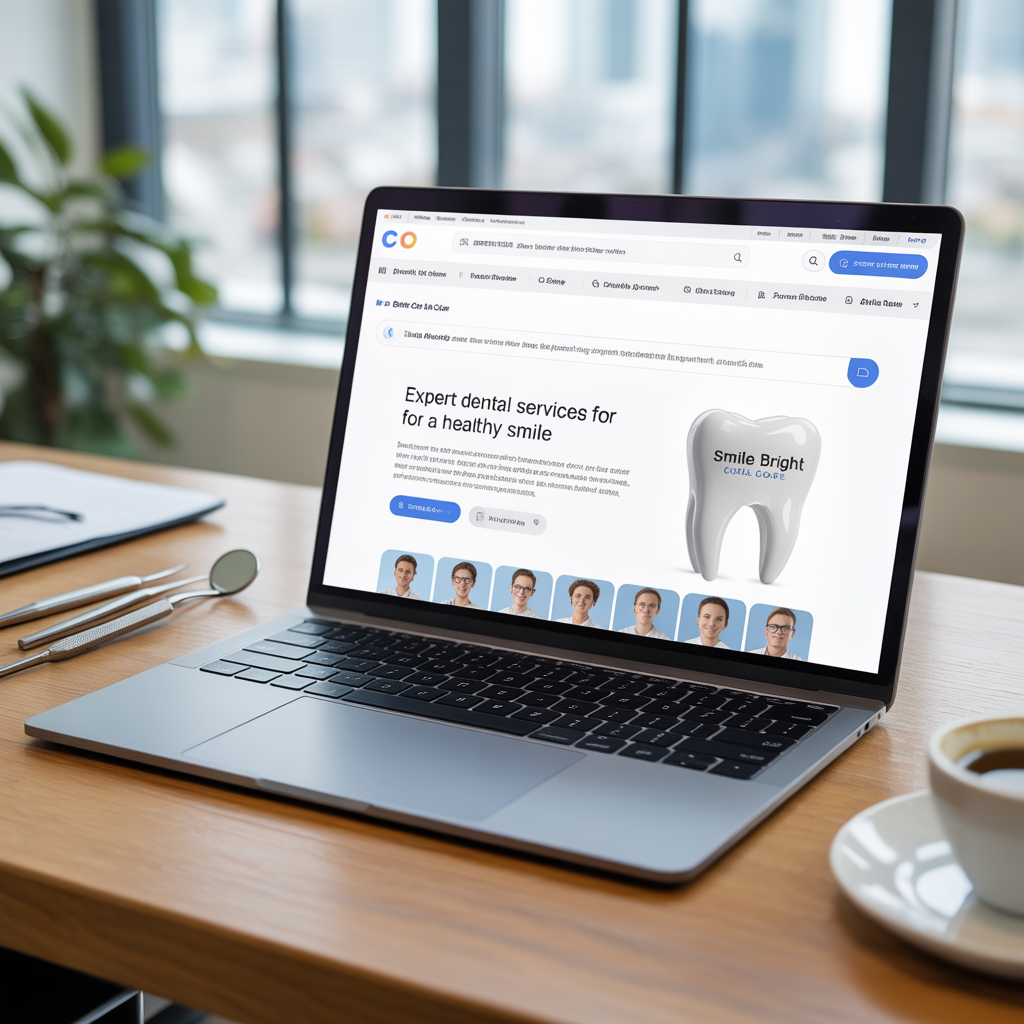

For most dental practices today, Google is the front door.
When someone searches “dentist near me,” “emergency dentist,” or “teeth cleaning in [city],” they are not browsing for fun. They’re in pain, overdue, or finally ready to book. And the practices that win those moments consistently grow—while others wonder why their phones stay quiet.
But here’s the truth many dentists don’t hear enough:
Getting traffic from Google does not automatically mean getting new patients.
Real patient bookings come from a combination of visibility, trust, relevance, and frictionless conversion. Miss even one of these, and Google becomes just another expense instead of a growth engine.
This article breaks down what actually drives new patient bookings from Google, based on how real patients search, choose, and book dental care today.
1. Understanding Patient Intent: The Foundation of Google Bookings
Not all Google searches are equal.
A dentist ranking #1 for “how long does a crown last” might get traffic—but that traffic rarely turns into booked appointments, something any experienced Dental SEO Expert sees all the time. Meanwhile, a practice ranking #5 for “emergency dentist near me open now” can generate phone calls all day.
The Three Types of Dental Search Intent
1. Informational Intent
Examples:
- “Does Invisalign hurt?”
- “How often should you get teeth cleaned?”
These searches are research-based. They build awareness but rarely lead to immediate bookings.
2. Navigational Intent
Examples:
- “Smith Family Dental phone number”
- “Bright Smile Dental reviews”
These users already know the practice.
3. Transactional / Booking Intent (The Money Searches)
Examples:
- “Dentist near me”
- “Emergency dentist [city]”
- “Dental implants cost [city]”
- “Kids dentist open Saturday”
These searches drive new patient bookings.
What This Means for Dentists
If your Google strategy is focused mainly on blog traffic or broad keywords, you may be missing the searches that actually produce revenue.
Practices that grow from Google align their content, ads, and local presence around high-intent searches—especially those tied to urgency, location, and specific services.
2. Google Maps (Local Pack): Where Most Bookings Start
For dentists, Google Maps is often more important than traditional website rankings.
When someone searches “dentist near me,” Google typically shows:
- A map
- 3 local practices (the “Local Pack”)
- Reviews, photos, hours, and call buttons
This is where a huge percentage of new patient calls happen.
What Drives Google Maps Visibility
Google Maps rankings are influenced by three core factors:
1. Proximity
You can’t control where the patient is—but you can optimize everything else.
2. Relevance
Your Google Business Profile must clearly match what the patient is searching for.
That means:
- Correct primary category (e.g., “Dentist,” “Emergency Dental Service,” “Pediatric Dentist”)
- Accurate service listings
- Clear descriptions using real patient language
3. Prominence (Trust Signals)
This is where most practices fall short.
Prominence includes:
- Review quantity
- Review quality
- Review recency
- Photos
- Citations and mentions across the web
Reviews Are Not Optional
Reviews don’t just influence rankings—they influence patient decisions.
When a patient sees:
- Practice A: 32 reviews, 4.1 stars
- Practice B: 247 reviews, 4.8 stars
The decision is often made before they even visit your website.
Practices that consistently generate new patient bookings:
- Ask every happy patient for a review
- Respond to reviews professionally
- Focus on recent reviews, not just total count
3. Your Website’s Job Is Conversion, Not Decoration
Once a patient clicks from Google to your website, you have seconds to earn their trust.
A beautiful website that doesn’t convert is a liability.
What Patients Are Looking For Immediately
When a potential patient lands on your site, they subconsciously ask:
- Are you close to me?
- Do you treat my specific problem?
- Can I trust you?
- How fast can I book?
- Will this be painful, expensive, or complicated?
If your website doesn’t answer these quickly, they leave—and click the next dentist.
Key Website Elements That Drive Bookings
1. Clear Above-the-Fold Messaging
Patients should instantly know:
- What you do
- Who you help
- Where you are
Avoid vague slogans. Use direct language:
- “Family & Emergency Dentist in [City]”
- “Same-Day Appointments Available”
2. Visible Calls to Action
Every page should make it obvious how to book:
- Click-to-call buttons
- Online scheduling
- Simple contact forms
Hiding your phone number is one of the fastest ways to lose patients.
3. Service-Specific Pages
A single “Services” page is rarely enough.
High-converting practices have dedicated pages for:
- Emergency dentistry
- Dental implants
- Invisalign
- Teeth whitening
- Pediatric dentistry
Each page matches the search intent that brought the patient there.
4. Real Trust Signals
Patients want proof—not claims.
Effective trust elements include:
- Doctor photos and bios
- Real patient testimonials
- Before-and-after photos (where appropriate)
- Clear credentials and experience
4. Content That Attracts Patients (Not Just Traffic)
Content can drive bookings—but only when it’s built around patient intent.
The Mistake Most Dental Blogs Make
Many dental blogs focus on:
- Generic oral health tips
- Topics chosen for SEO tools, not patients
- Content written for Google, not humans
This results in traffic that never converts.
Content That Actually Drives Appointments
Local, Service-Focused Content Wins
Examples:
- “Emergency Dentist in [City]: What to Do If You Break a Tooth”
- “How Much Do Dental Implants Cost in [City]?”
- “Best Dentist for Kids in [Neighborhood]”
This content:
- Matches real searches
- Builds trust
- Naturally leads to booking
Answer Cost, Pain, and Fear Questions
Patients are anxious. The practices that address fears honestly earn trust faster.
Topics that convert well:
- Pricing expectations
- Pain management
- First-visit experiences
- Insurance and financing
5. Google Ads: Fast Growth When Done Right
Organic SEO builds long-term growth—but Google Ads can drive immediate bookings.
However, many dentists waste thousands on ads that generate clicks but not patients.
Why Dental Google Ads Often Fail
Common problems:
- Sending all traffic to the homepage
- Targeting broad keywords
- Not tracking phone calls properly
- Poor mobile experience
What Drives Bookings From Google Ads
1. High-Intent Keywords Only
Focus on:
- “Emergency dentist near me”
- “Dentist open now”
- “Dental implants [city]”
Avoid informational keywords that burn budget.
2. Dedicated Landing Pages
Each ad should lead to a page built for one purpose: booking.
These pages should include:
- Clear headline matching the ad
- Phone number and booking form
- Trust signals
- Location clarity
3. Call Tracking and Recording
If you don’t know which calls turn into patients, you can’t optimize.
Practices that scale ads successfully track:
- Calls
- Booked appointments
- Cost per new patient
6. Mobile Experience: Where Most Bookings Happen
The majority of dental searches happen on mobile phones.
If your mobile experience is slow, cluttered, or confusing, patients will leave.
Mobile Must-Haves
- Fast load times
- Click-to-call buttons
- Simple navigation
- Short forms
A patient in pain is not going to pinch-zoom your website.
7. Consistency Builds Momentum Over Time
Google rewards consistency.
Practices that win long-term:
- Regularly update their Google Business Profile
- Continuously earn reviews
- Publish relevant content
- Keep websites updated and secure
This compounds over time, making it harder for competitors to catch up.
8. Measuring What Actually Matters
Rankings feel good—but bookings pay the bills.
Metrics Dentists Should Track
- Phone calls from Google
- Online bookings
- Cost per new patient
- Conversion rate of website traffic
When you track outcomes instead of vanity metrics, decisions become clearer.
Final Thoughts: Google Doesn’t Book Patients—Systems Do
Google is not magic.
It’s a platform that rewards relevance, trust, and usability. The practices that dominate new patient bookings don’t rely on one tactic—they build a system:
- High-intent visibility (Maps, SEO, Ads)
- Strong trust signals (reviews, content, branding)
- Conversion-focused websites
- Consistent follow-up and tracking
When all of these work together, Google becomes a predictable, scalable source of new patients—rather than a confusing black hole of marketing spend.
If your practice isn’t seeing the bookings you expect from Google, the issue is rarely “Google itself.” It’s almost always a breakdown somewhere in this system.
Fix that, and the growth follows.