

Introduction
Denim Tears clothing isn’t just something you throw on before stepping out of the house. It’s not about chasing trends, flexing logos, or trying to keep up with whatever is hot on social media this week. Denim Tears is different. It lives in that rare space where fashion meets history, where fabric becomes a canvas, and where clothing speaks even when the wearer stays silent. Denim Tears Clothing: Culture and Modern Streetwear Impact. In today’s world of fast fashion and copy-paste streetwear brands, Denim Tears stands out because it actually means something.
At its core, Denim Tears is storytelling through clothing. Every stitch, every print, and every design choice feels intentional. The brand forces people to slow down and think—about history, about identity, and about the uncomfortable truths that often get ignored in mainstream fashion. Denim Tears doesn’t whisper these ideas; it puts them right on your chest, your legs, and your back, daring the world to look.
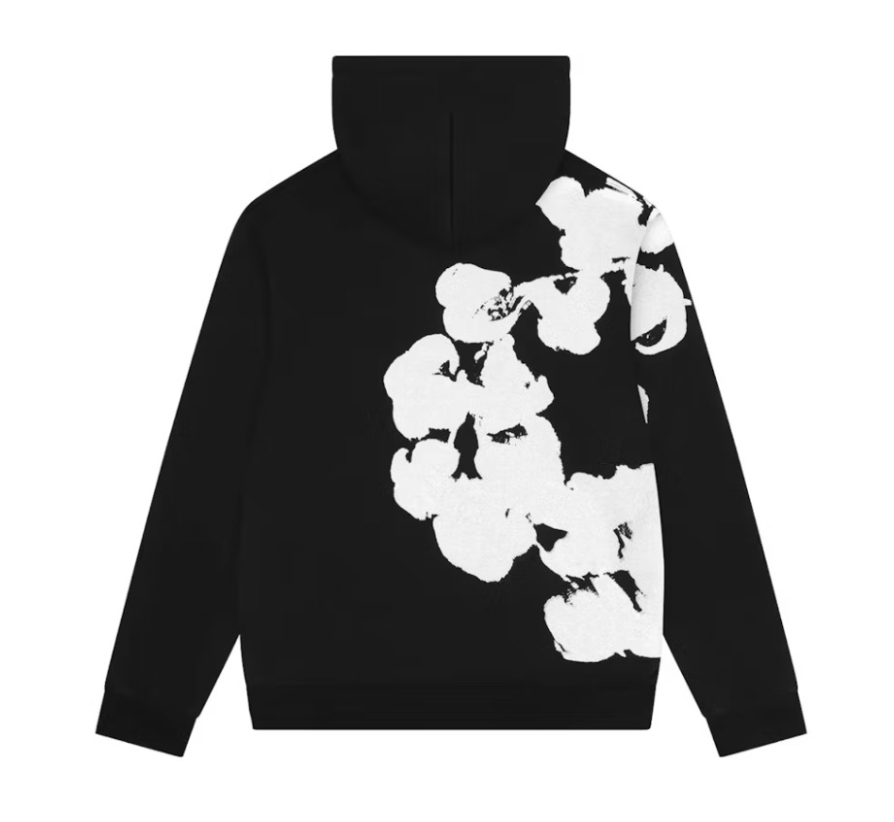
What makes Denim Tears especially powerful is how it blends deep cultural narratives with wearable, everyday streetwear. You don’t need to be a fashion expert or historian to connect with it. You just need to be human. Whether you’re wearing a cotton wreath hoodie or a pair of Denim Tears jeans, you’re participating in a larger conversation—one about pain, resilience, pride, and survival.
In this article, we’re diving deep into Denim Tears clothing. We’ll explore where it came from, what it represents, why it matters, and how it’s reshaping modern streetwear culture. This isn’t just a brand overview. It’s a journey through fashion, history, and identity—woven together in denim and cotton.
The Origins of Denim Tears Clothing
The story of Denim Tears begins with intention, not profit. Unlike many fashion brands that start with a business plan and build a story later, Denim Tears was born from a message that demanded a medium. Clothing just happened to be the most powerful one. Denim Tears Clothing: Culture and Modern Streetwear Impact. The brand emerged as a response to a long-standing gap in fashion—where Black history was often referenced but rarely respected or fully understood.
Denim Tears officially came to life in 2019, but its roots stretch far deeper. It was created as a way to confront America’s past while existing fully in its present. The brand doesn’t romanticize history, nor does it water it down. Instead, it presents it raw and unapologetic. Denim Tears challenges the wearer and the observer alike, asking them to acknowledge the uncomfortable realities behind the clothes they wear every day.
From the beginning, Denim Tears positioned itself outside traditional fashion cycles. There was no rush to flood the market, no pressure to constantly drop new collections. Each release felt deliberate, almost ceremonial. This slow, thoughtful approach gave the brand an authenticity that money can’t buy. People didn’t just want Denim Tears because it was rare—they wanted it because it stood for something real. In a world where fashion often feels disposable, Denim Tears arrived as a reminder that clothing can carry weight. It can remember. It can mourn. And it can honor.
The Vision Behind the Brand
The vision behind Denim Tears is rooted in truth. Not polished truth. Not market-friendly truth. Just truth. The brand exists to tell stories that were never meant to be comfortable, using denim and cotton as its language. Denim Tears Clothing: Culture and Modern Streetwear Impact. It doesn’t chase validation from the fashion industry because it doesn’t need it. Its purpose is bigger than runway shows or seasonal trends.
Denim Tears was envisioned as a cultural artifact as much as a clothing line. Each piece feels like a chapter in a larger narrative about Black existence in America—past, present, and future. The brand uses familiar materials like denim, which has long been associated with labor, durability, and working-class life, to highlight stories of forced labor and exploitation that are often erased from fashion’s glossy surface.
What truly defines the brand’s vision is its refusal to separate art from responsibility. Denim Tears doesn’t use history as an aesthetic shortcut. Instead, it treats history with care, weight, and respect. The designs invite conversation, but they don’t explain themselves away. They trust the audience to engage, question, and reflect.
This vision has resonated deeply with a generation tired of empty branding. Denim Tears proves that fashion doesn’t have to be shallow to be stylish. It can be meaningful, emotional, and even confrontational—without losing its place in modern streetwear.
Who Created Denim Tears?
Denim Tears was founded by Tremaine Emory, a creative force whose influence extends far beyond fashion. Emory isn’t just a designer—he’s a cultural thinker, storyteller, and archivist of Black experiences. Before Denim Tears, he had already built a reputation working behind the scenes with some of the most influential names in music, art, and fashion.
Tremaine Emory’s background plays a huge role in the brand’s identity. Growing up immersed in Black culture, music, and history, he developed a deep understanding of how narratives shape identity. Denim Tears Hoodie His work has always been about preserving those narratives while pushing them forward. Denim Tears became his most personal project—a space where he could speak freely without compromise.
Emory’s experience working with legacy brands gave him insight into how often Black culture is mined for inspiration without acknowledgment. Denim Tears flips that dynamic. Instead of borrowing from Black history, it centers it. Instead of using culture as decoration, it treats it as the foundation. Under Emory’s direction, Denim Tears feels less like a fashion label and more like an ongoing conversation. One that refuses to be simplified, diluted, or silenced.
The Meaning Behind the Name “Denim Tears”
The name Denim Tears hits hard before you even see a single piece of clothing. It’s emotional, poetic, and heavy all at once. Denim is one of the most universal fabrics on the planet. Everyone wears it. It’s democratic. It’s durable. It’s workwear turned everyday essential. But when you pair denim with the word tears, the meaning shifts. Suddenly, that familiar fabric carries sorrow, memory, and unresolved pain.
Denim Tears isn’t just a catchy brand name—it’s a thesis. The “tears” represent grief, trauma, and loss, particularly tied to the Black experience in America. Denim, historically associated with labor and endurance, becomes a symbol of survival under oppression. Together, the name tells a story of people who worked the land, harvested cotton, and built wealth they never got to keep—all while wearing fabrics that evolved into modern fashion staples.
What makes the name so powerful is its subtlety. It doesn’t shout. It doesn’t explain itself. It simply exists, waiting for the wearer or observer to lean in and ask questions. That’s intentional. Denim Tears Clothing: Culture and Modern Streetwear Impact. Denim Tears doesn’t spoon-feed meaning. It invites reflection.
In a fashion world obsessed with surface-level aesthetics, the name Denim Tears reminds us that clothes carry history whether we acknowledge it or not. Every pair of jeans has a backstory. Denim Tears just refuses to let that story be forgotten.
Symbolism and Emotional Depth
Emotion sits at the core of Denim Tears. This brand operates on feeling as much as form. The designs aren’t loud, but they’re emotionally charged. You might see a simple cotton wreath printed repeatedly across denim, but behind that repetition lies generations of forced labor, stolen identities, and unrecognized contributions.
The emotional depth of Denim Tears comes from its honesty. It doesn’t try to sanitize history or make it easier to digest. Instead, it allows pain and pride to coexist. That duality is what makes the brand so human. Just like people, Denim Tears carries contradictions—beauty and brutality, strength and vulnerability.
Wearing Denim Tears can feel personal, even if the story isn’t yours directly. That’s because emotion transcends individual experience. The brand taps into collective memory, reminding us that history shapes the present whether we like it or not.
In this way, Denim Tears functions almost like wearable art therapy. It acknowledges wounds without pretending they don’t exist. It allows space for grief while celebrating survival. That emotional honesty is rare in fashion, and it’s exactly why Denim Tears resonates so deeply.
Historical Context Embedded in the Brand
Denim Tears is deeply rooted in American history—specifically, the history that often gets glossed over or minimized. The brand confronts the legacy of slavery, forced labor, and systemic exploitation head-on. It does this not through slogans or shock value, but through symbols that carry undeniable weight.
Cotton plays a central role in this context. Cotton built America’s wealth, yet it was harvested through the suffering of enslaved Africans. Denim Tears uses cotton intentionally, forcing a reckoning with that reality. When you wear a cotton-based garment from Denim Tears, you’re wearing a reminder of who paid the real cost for comfort and prosperity.
The brand also speaks to the post-slavery era—the sharecropping, the segregation, the cycles of economic inequality that persisted long after emancipation. Denim Tears Clothing: Culture and Modern Streetwear Impact. Denim, as workwear, became a uniform for laborers who were still trapped in systems designed to limit their freedom.
By embedding this history into contemporary streetwear, Denim Tears collapses time. The past isn’t distant—it’s stitched into the present. And that’s the point. The brand refuses to let history stay buried.
Denim Tears and African American Heritage
African American heritage isn’t a theme for Denim Tears—it’s the foundation. Every design choice reflects a deep respect for ancestry, memory, and cultural survival. The brand doesn’t treat Black history as a trend or aesthetic. It treats it as sacred.
Denim Tears acknowledges that African American culture has shaped global fashion, music, and art, often without credit or compensation. By centering Black narratives, the brand reclaims space that was historically denied. It tells stories from the inside out, not from a distant or commercialized perspective.
What’s powerful is how Denim Tears balances grief with dignity. It doesn’t portray Black history solely as trauma. It also celebrates resilience, creativity, and endurance. Denim Tears Clothing: Culture and Modern Streetwear Impact. The brand honors ancestors not as victims, but as survivors whose labor and culture continue to influence the world.
In doing so, Denim Tears becomes a form of cultural preservation. Denim Tears Clothing: Culture and Modern Streetwear Impact. It keeps stories alive in a medium that reaches people daily—clothing. That makes heritage visible, wearable, and impossible to ignore. Shop Now


