
When it comes to Dubai Real Estates, the landscape is as dynamic as the city skyline. Whether you’re a first‑time investor or a seasoned property owner, Dubai offers opportunities that are hard to ignore. From waterfront mansions to downtown apartments, the market has something for every budget and vision. If you’re exploring options, start your journey with a trusted partner like Dubai Real Estates and dive into localized insights such as the Al Karama Dubai Market to understand niche pockets of growth.
Investing in property isn’t just about buying a building. It’s about understanding trends, timing your entry, and choosing the right location at the right price. In this guide, we’ll walk through everything you need to know to navigate Dubai’s property scene with confidence and clarity. Expect guidance on investment hotspots, legal basics, financing, rental potential, and common pitfalls to avoid. By the end, you’ll feel equipped to take your next big step.
Why Dubai Real Estates Continue to Attract Global Investors
Dubai has become a magnet for international capital for many reasons. It’s a city of ambition, innovation, and world‑class infrastructure. The government’s commitment to long‑term economic stability and proactive policies—like flexible visa options and 100% foreign ownership in many sectors—gives investors peace of mind.
What’s more, Dubai’s tax‑free environment means you can maximize your rental returns without hefty deductions. Imagine earning monthly rental income without paying property tax or capital gains tax. For many investors, this alone makes Dubai Real Estates far more attractive than traditional markets in Europe and North America.
Then there’s the lifestyle factor. Dubai isn’t just a place to invest—it’s a place to live. Residents enjoy pristine beaches, award‑winning restaurants, world‑class schools, and a calendar of global events. You’re not just investing in brick and mortar; you’re investing in a lifestyle that continues to draw tenants, expatriates, and buyers from around the world.
Understanding the Dubai Property Market: Trends and Insights
Dubai’s property market moves quickly, but it has patterns you can learn to read. Over recent years, the market has shown steady growth, with selective areas appreciating faster than others. For instance, premium waterfront developments and central business district apartments have consistently commanded strong demand and rental yields.
One small anecdote that illustrates this growth: a friend of mine bought a one‑bedroom apartment in a popular Dubai tower just before Expo 2020. Within two years, the property’s value had climbed significantly, largely due to improved global perception of Dubai’s economy and the influx of new residents. That kind of growth isn’t guaranteed across every neighborhood, but it highlights how macro‑events and infrastructure projects can push demand.
Beyond localized factors, global economic shifts also influence Dubai Real Estates. Interest rates, travel demand, and international liquidity all play a role. But the city’s diversified economy—spanning tourism, finance, tech, and logistics—helps cushion the market against volatility.
Top Investment Hotspots in Dubai
Dubai is vast, and each area tells a different story. Below are key zones that have shown strong investment potential:
Downtown Dubai
At the heart of the city, Downtown is synonymous with luxury. Here, towering skyscrapers and high‑end retail define the skyline. Properties in this area often attract premium tenants and short‑term renters, especially business travelers and affluent individuals seeking central living.
Dubai Marina
With its waterfront promenades and lively nightlife, Dubai Marina appeals to young professionals and investors alike. It has consistently delivered strong rental yields and robust resale demand.
Palm Jumeirah
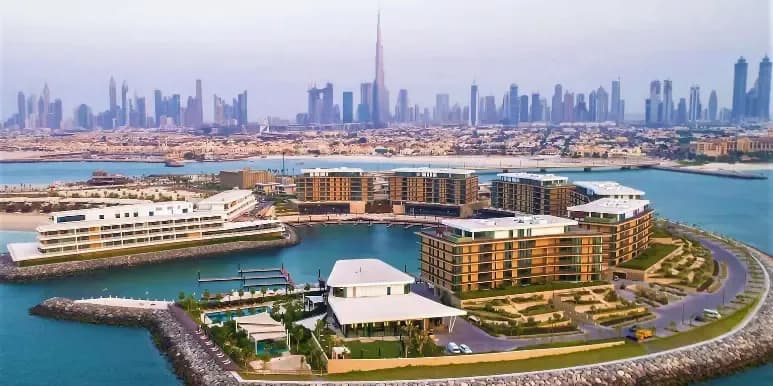
Palm Jumeirah needs little introduction. This iconic man‑made island offers luxury villas and upscale apartments with private beach access. While entry prices are higher, so is the prestige—and for many investors, prestige translates into high returns.
Jumeirah Village Circle (JVC)
JVC presents a compelling mix of affordability and growth potential. Many investors target this area due to its family‑friendly communities and comparatively lower entry costs. Rental demand here has been growing steadily.
Al Karama Dubai Market
Al Karama remains one of the more affordable and culturally rich areas in the city. Renowned for its vibrant street life and proximity to central districts, it appeals to both residents and investors seeking value. For a deeper look at this neighborhood and its opportunities, explore the Al Karama Dubai Market guide.
How to Finance Your Dubai Property
Financing is a critical piece of the investment puzzle. Most investors have three options: pay cash, secure a mortgage, or use a mix of both. Paying in cash can fast‑track your purchase and give you negotiating power. However, leveraging a mortgage can help spread your investment and possibly yield stronger overall returns.
Mortgages in Dubai
Foreign investors can access mortgages from UAE banks, often with competitive interest rates and flexible terms. To qualify, you’ll need proof of income, credit history, and a down payment—typically 20–25% of the property value for expatriates. It’s important to shop around and compare offerings from different lenders.
One common strategy is to lock in a fixed interest rate during acquisition. This can protect you from future rate hikes and make your financial planning more predictable.
Legal Considerations for International Buyers
Dubai has made property ownership straightforward for foreigners, especially in designated freehold areas. A freehold property allows you full ownership of your unit and land indefinitely, which is ideal for long‑term investments.
However, it’s crucial to register your purchase with the Dubai Land Department (DLD) and obtain a Title Deed. This official document verifies your ownership and safeguards your investment.
Additionally, be aware of the fees involved: DLD charges a registration fee (usually around 4% of the purchase price), and there are agent commissions and administrative costs. Always budget for these to avoid surprises.
Rental Yields and Cash Flow: What to Expect
One of the main attractions of Dubai Real Estates is its competitive rental yield. In prime areas, gross rental yields can range from 6% to 8% or more—often higher than many Western cities. The exact return depends on location, property type, and market timing.
For example, a two‑bedroom apartment in a high‑demand district like Dubai Marina might offer strong monthly rent, appealing to young professionals and expatriate families. Conversely, a luxury villa in Palm Jumeirah might yield higher seasonal rates due to vacation‑style renting.
Short‑term vs. long‑term rentals is another consideration. Short‑term leasing through platforms like Airbnb can generate higher income but requires more active management and compliance with Dubai’s regulations (including a tourist license). Long‑term rentals provide steady, predictable cash flow with less turnover.
Property Management Tips
Managing a property from afar can be challenging, especially for international investors. A good property management company can:
-
Handle tenant sourcing and screening
-
Collect rent
-
Coordinate maintenance and repairs
-
Ensure compliance with local laws
This support is invaluable if you’re not living in Dubai. It keeps your investment running smoothly and preserves its value.
Common Mistakes to Avoid
Even seasoned investors can slip up. Here’s what to watch out for:
1. Overpaying for a Trendy Address:
While location matters, don’t let hype drive your purchase. Always compare similar properties.
2. Ignoring Community Plans:
New infrastructure, schools, or transportation hubs can boost value. Conversely, planned changes can detract from desirability.
3. Skipping Due Diligence:
Always verify the developer’s reputation, completion timelines, and legal status of the property.
4. Misjudging Rental Potential:
Not all properties rent equally. Study tenant demand in your chosen area before committing.
How to Choose the Right Real Estate Agent
A knowledgeable agent can make or break your investment experience. Look for someone who:
-
Understands international investor needs
-
Has deep local market insights
-
Communicates clearly and proactively
-
Provides transparent breakdowns of costs and returns
Good agents often know upcoming listings before they hit major portals and can help you act fast on promising opportunities.
Steps to Buying Property in Dubai
Here’s a simple breakdown of the buying process:
-
Choose a Property:
Start with a shortlist based on budget, location, and goals. -
Make an Offer:
Your agent will help submit and negotiate the offer. -
Sign the Sales Agreement:
A contract is drafted, and you pay a deposit (often 10%). -
Apply for Mortgage (if needed):
Provide financial documents and secure loan approval. -
Finalize Payment:
Complete payment per schedule and obtain your Title Deed. -
Register with DLD:
This legal step confirms your ownership.
Future Outlook: What’s Next for Dubai Real Estates
Dubai’s property market continues to evolve. Upcoming infrastructure projects, tourism growth, and strategic policy shifts all point toward long‑term resilience. Sustainable communities, smart city initiatives, and luxury developments are shaping demand.
For investors, diversification is key. Some focus on high‑end properties, others on mid‑market or rental‑yield‑driven assets. Whichever path you choose, informed decisions and a long‑term perspective will serve you well.