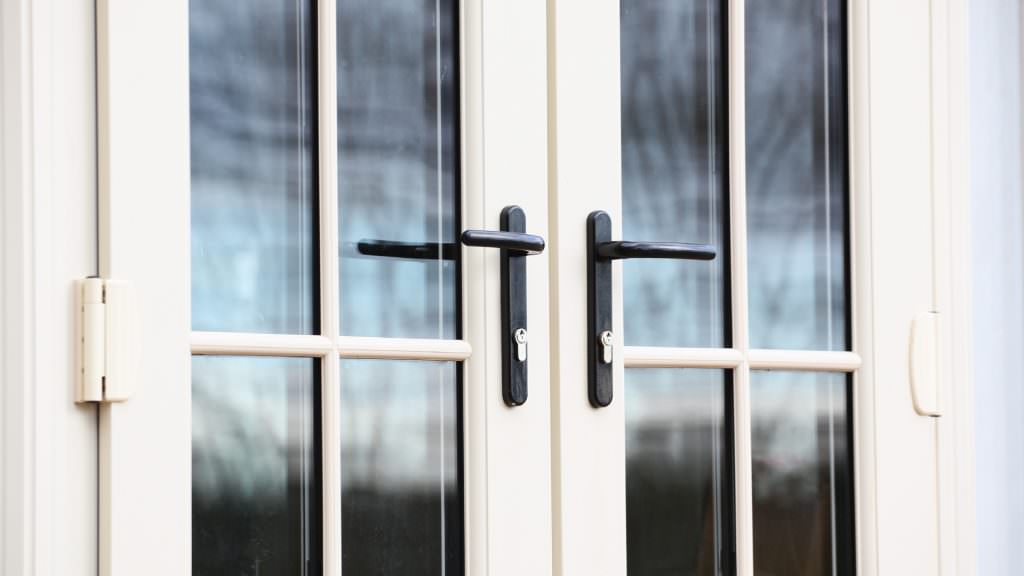

Replacing a uPVC door handle may seem like a simple task, but choosing the wrong size can quickly turn a straightforward DIY job into a frustrating experience. uPVC door handles are not universal, and even small measurement errors can result in a handle that doesn’t fit, align, or function correctly. To ensure a smooth replacement process, accurate measurements are essential.
This guide explains exactly how to measure uPVC doors correctly before replacing them, covering the key dimensions you need, common mistakes to avoid, and practical tips to ensure compatibility.
Why Accurate Measurement Matters
uPVC door handles are designed to work with specific locking mechanisms and door profiles. If the measurements are incorrect:
- The handle may not align with the lock
- Screws may not fit into existing holes
- The spindle may be too short or too long
- The door may not lock or open properly
Measuring correctly before buying a replacement saves time, money, and unnecessary returns.
Tools You’ll Need
Before you begin, gather the following tools:
- Tape measure or ruler (preferably in millimetres)
- Screwdriver (usually Phillips or Pozidriv)
- Pen and paper or phone for notes
Measurements for door hardware are typically taken in millimetres (mm), so avoid inches unless absolutely necessary.
Step 1: Identify the Type of uPVC Door Handle
Most uPVC doors use one of the following handle styles:
Lever/lever – handle on both sides of the door
Lever/pad – handle inside, fixed pad outside
Lever/blank – handle inside, no handle outside
While the style affects usability, the measurement process remains largely the same.
Step 2: Measure the Fixing Centres (Screw Hole Distance)
The fixing centres measurement is the most important dimension when replacing a uPVC door handle.
How to Measure Fixing Centres
Locate the two visible screws on the internal handle
Measure from the centre of the top screw hole to the centre of the bottom screw hole
Common Fixing Centre Sizes
92mm (most common for modern uPVC doors)
68mm
122mm
PZ-specific variants
If this measurement does not match your new handle, it will not fit without drilling new holes — something best avoided on uPVC doors.
Step 3: Measure the PZ (Spindle to Keyhole Distance)
The PZ measurement is the distance from the centre of the spindle hole (where the square bar passes through) to the centre of the keyhole or cylinder.
How to Measure PZ
Measure from the centre of the spindle
Measure straight down to the centre of the keyhole
Common PZ Sizes
92mm (very common)
68mm
72mm
Even if your fixing centres are correct, an incorrect PZ measurement will prevent the lock cylinder from aligning properly.
Step 4: Measure the Spindle Size and Length
The spindle is the square metal bar that connects both handles through the door.
Standard Spindle Size
Most uPVC doors use an 8mm square spindle
This size is usually standard, but length can vary.
How to Measure Spindle Length
Remove the handle from the door
Measure the total length of the spindle
Alternatively, measure door thickness and add clearance for both handles
Spindles that are too short won’t engage the opposite handle; spindles that are too long may cause stiffness or prevent handles from sitting flush.
Step 5: Measure the Backplate Length and Width
While not always critical, the backplate dimensions affect appearance and coverage.
Why This Matters
Covers existing screw holes or marks
Ensures the handle sits flush against the door
Maintains a clean, professional look
Measure:
Total backplate length
Backplate width
If replacing like-for-like, matching the backplate size helps avoid visible marks on the door.
Step 6: Check Handle Handing (Left or Right)
Some uPVC handles are handed, meaning they are designed for either left-hand or right-hand doors.
How to Identify Door Handing
Stand outside the door
If the hinges are on the left → left-handed door
If the hinges are on the right → right-handed door
Many modern handles are reversible, but it’s always best to confirm before purchasing.
Step 7: Measure Door Thickness (Optional but Helpful)
Although most uPVC doors fall within standard thickness ranges, measuring door thickness ensures correct spindle and screw length.
Typical uPVC door thickness:
44mm to 48mm
This helps when selecting handles supplied with adjustable or multiple spindle options.
Common Measurement Mistakes to Avoid
Measuring from screw edge instead of centre
Guessing PZ size without checking
Mixing inches and millimetres
Assuming all uPVC handles are universal
Not removing the handle to check spindle length
Taking five extra minutes to measure properly can save hours of hassle later.
Tips for Ordering the Correct Replacement Handle
Always measure the existing handle, not the door itself
Take photos of the handle and lock mechanism
Buy from suppliers that list full specifications
Choose adjustable or universal models if unsure
Keep old screws and spindles as backups
If in doubt, many suppliers can confirm compatibility if you provide measurements and photos.
Final Thoughts
Measuring uPVC door handles correctly before replacement is essential for a successful installation. By carefully checking fixing centres, PZ measurement, spindle size, and backplate dimensions, you can confidently order a handle that fits perfectly and works smoothly.
Replacing a uPVC door handle is well within the capabilities of most DIY homeowners — as long as the measurements are right. Take your time, measure accurately, and you’ll avoid unnecessary frustration and ensure your door looks and functions like new.