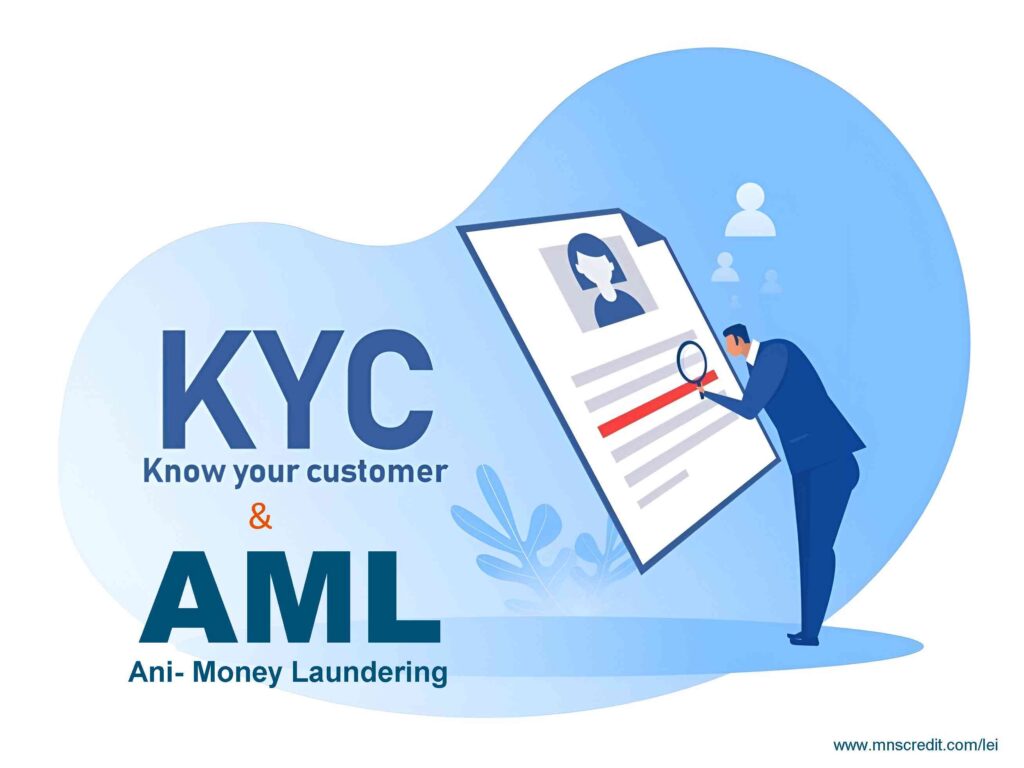

As digital banking adoption accelerates globally, banks and financial institutions are under growing pressure to balance seamless customer experiences with strict regulatory compliance. Anti-Money Laundering (AML) and Know Your Customer (KYC) regulations form the backbone of financial crime prevention, making them critical components of any modern digital banking strategy.
For institutions investing in banking software development services and banking app development, AML and KYC compliance is no longer a backend requirement—it must be embedded into application architecture, workflows, and user journeys from day one.
Understanding AML and KYC in Digital Banking
AML regulations are designed to detect and prevent illicit activities such as money laundering, terrorist financing, and fraud. KYC, on the other hand, focuses on verifying customer identities, assessing risk profiles, and ensuring ongoing due diligence.
In traditional banking, AML and KYC processes were largely manual and paper-driven. Digital banking applications have transformed these processes through automation, real-time data validation, and AI-powered monitoring—but they have also introduced new compliance challenges.
Digital banking platforms must ensure:
- Accurate customer identity verification
- Continuous transaction monitoring
- Risk-based customer profiling
- Regulatory reporting and audit readiness
Failure to comply can result in severe penalties, operational restrictions, and reputational damage.
Why AML & KYC Compliance Is Critical for Digital Banking Applications
Regulators worldwide are tightening AML and KYC requirements as financial crime becomes more sophisticated and technology-driven. Digital-only banks, neobanks, and fintech-backed banking platforms face heightened scrutiny due to their scale, speed, and reliance on digital onboarding.
AML & KYC compliance is critical because it:
- Protects banks from financial crime and fraud
- Ensures compliance with local and global regulations
- Builds trust with customers and regulators
- Enables safe expansion into new markets
For digital banking applications, compliance must be continuous—not a one-time onboarding check.
Key AML & KYC Challenges in Digital Banking
Digital Customer Onboarding
Seamless onboarding is a competitive advantage, but it must not compromise compliance. Banks must verify identities remotely while preventing impersonation, document fraud, and synthetic identities.
Real-Time Transaction Monitoring
Digital banking applications process transactions in real time, making it difficult to detect suspicious patterns using legacy rule-based systems alone.
Data Privacy and Security
AML and KYC processes involve collecting sensitive personal and financial data. Banks must ensure secure storage, encryption, and access controls while complying with data protection regulations.
Regulatory Variations Across Regions
Banks operating across multiple jurisdictions must adapt AML and KYC workflows to meet region-specific regulations, thresholds, and reporting requirements.
These challenges highlight the need for intelligent, compliance-first digital banking architectures.
Role of Banking Software Development Services in AML & KYC Compliance
Effective AML and KYC compliance begins at the technology layer. Banking software development services play a critical role in designing platforms that integrate compliance seamlessly into digital workflows.
Custom banking platforms enable:
- Modular AML and KYC components
- Integration with identity verification and data providers
- Scalable transaction monitoring systems
- Configurable risk rules and reporting frameworks
By embedding compliance logic directly into the core architecture, banks can reduce manual intervention, improve accuracy, and respond faster to regulatory changes.
AML & KYC in Banking App Development
Banking app development teams face the challenge of delivering frictionless user experiences while meeting strict compliance standards. Poorly designed AML and KYC flows can lead to customer drop-offs, while weak controls expose banks to regulatory risk.
Modern banking apps address this by:
- Using digital identity verification (eKYC) with biometrics
- Implementing risk-based onboarding flows
- Automating document verification and validation
- Providing transparency around data usage and consent
Well-designed banking apps strike a balance between security, compliance, and usability—ensuring customers can onboard quickly without compromising regulatory obligations.
Automation and AI in AML & KYC Processes
Automation has become essential for managing AML and KYC at scale. Digital banking platforms increasingly rely on AI and machine learning to enhance compliance effectiveness.
Key applications include:
- Automated customer due diligence (CDD)
- Behavioral transaction monitoring
- Risk scoring and customer segmentation
- Suspicious activity detection and alerts
AI-driven systems can analyze vast volumes of transaction data, identify anomalies, and adapt to evolving fraud patterns—far beyond the capabilities of manual reviews.
However, banks must ensure these systems are transparent, auditable, and aligned with regulatory expectations.
Transaction Monitoring and Ongoing Due Diligence
AML compliance extends beyond onboarding. Digital banking applications must continuously monitor customer activity throughout the relationship lifecycle.
Effective transaction monitoring systems:
- Analyze transaction frequency, value, and patterns
- Detect unusual behavior in real time
- Trigger alerts for further investigation
- Support regulatory reporting and audit trails
Ongoing due diligence ensures that changes in customer behavior or risk profile are identified early, reducing exposure to financial crime.
Data Governance and Security in AML & KYC
AML and KYC compliance depends heavily on secure data management. Digital banking platforms must implement strong data governance frameworks to protect sensitive customer information.
Key practices include:
- Encryption of data at rest and in transit
- Role-based access controls
- Secure data retention and deletion policies
- Comprehensive logging and monitoring
Strong data governance not only supports AML and KYC compliance but also aligns with broader cybersecurity and privacy requirements.
Managing Third-Party Risk in Digital Banking
Digital banking applications often integrate third-party services for identity verification, sanctions screening, and transaction monitoring. While these integrations enhance capabilities, they also introduce third-party risk.
Banks must ensure that vendors:
- Meet regulatory and security standards
- Provide audit-ready documentation
- Support service-level and compliance requirements
Third-party risk management is a critical component of AML and KYC compliance in modern banking ecosystems.
Regulatory Reporting and Audit Readiness
Regulatory authorities require banks to maintain detailed records of AML and KYC activities. Digital banking platforms must support automated reporting and audit readiness.
This includes:
- Maintaining comprehensive audit trails
- Generating regulatory reports efficiently
- Supporting internal and external audits
Platforms built with compliance in mind significantly reduce the effort and cost associated with regulatory examinations.
Future Trends in AML & KYC for Digital Banking
AML and KYC regulations continue to evolve alongside technology and financial crime tactics. Future trends include:
- Increased use of biometric and behavioral authentication
- Greater reliance on AI-driven compliance systems
- Stronger regulatory focus on real-time monitoring
- Enhanced collaboration between banks and regulators
Digital banking applications must remain flexible and future-ready to adapt to these changes without major system overhauls.
Conclusion
AML & KYC compliance is a foundational requirement for digital banking applications operating in today’s regulatory environment. As banks expand digital offerings and onboard customers at scale, compliance must be embedded into every layer of the technology stack.
By leveraging robust banking software development services and adopting compliance-first banking app development practices, financial institutions can build secure, scalable, and regulation-ready digital banking platforms. Organizations that treat AML and KYC as strategic enablers—rather than operational burdens—will be best positioned to grow, innovate, and earn long-term customer trust in the digital banking era.