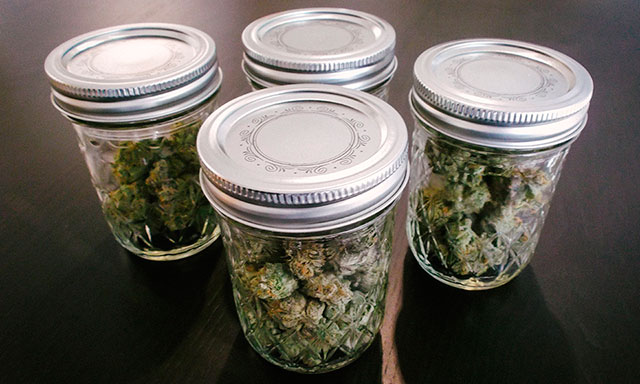

Crowded cannabis marketplace, product quality alone isn’t enough to guarantee sales. With dozens of brands on dispensary shelves and online menus, packaging has become a silent salesperson — influencing purchase decisions long before the consumer ever tries the product. Among various types of packaging, custom cannabis jars stand out because they blend functionality, compliance, brand identity, and consumer appeal.
But what makes a cannabis jar sell? And how can brands optimize their packaging strategies to boost visibility, trust, and ultimately, conversions? Below are the key strategies that successful cannabis brands use to create packaging that not only meets regulatory standards but also drives consumer demand.
1. Start with Compliance, The Foundation of Any Cannabis Package
Custom cannabis jars packaging must first satisfy legal and safety requirements. This isn’t optional — regulations govern:
Child-resistant closures
Tamper-evident features
Labeling requirements (THC/CBD content, batch numbers, warnings)
Opaque or specific color requirements in some states
Dosage and usage instructions
Failure to comply can lead to fines, failed inspections, or product pullbacks — all of which harm sales and brand reputation.
Best practice: Partner with packaging suppliers who understand regional compliance and can design custom labels & jar structures to meet those specifics.
2. Know Your Audience: Functional Packaging That Solves Problems
Different consumer segments have different expectations:
Recreational users often prioritize aesthetic appeal and resealability.
Medical users may value clarity, dosage accuracy, and accessibility.
Connoisseurs look for premium materials and distinctive design.
Understanding the users behind the purchase helps shape the jar design.
- User-centric features that sell:
- Easy-to-open, child-resistant lids
- Air-tight seals that preserve freshness
- Opaque or UV-protective glass to keep cannabinoids from degrading
- Wide-mouth jars for easy access
- Reusable or collectible designs
When packaging solves real user needs, it builds trust — and trusted products sell faster.
3. Branding That Stands Out — Design That Resonates
Custom cannabis jars are a branding opportunity. Labels and jar design are often the first moments of contact between brand and consumer, making first impressions critical. Here’s how top brands leverage design:
a) Visual Identity
A strong logo, consistent color palette, and clear typography help products stand out on the shelf or online thumbnail.
b) Clear Messaging
Consumers want to know at a glance:
Strain name and type (indica/sativa/hybrid)
THC/CBD percentages
Effects (e.g., “Relaxing,” “Creative”)
Organic, craft, small-batch, or locally sourced claims
Simplify complex information into clear elements that consumers can scan quickly.
c) Aesthetic Consistency
Whether premium minimalist, playful and colorful, or medical and clinical — consistency across product lines builds brand recognition.
4. Materials Matter: The Psychology of Packaging Quality
The materials you choose influence consumer perception:
Glass vs. Plastic
Glass jars often suggest quality, purity, and premium appeal. They are also inert, reducing interaction with product aroma and potency.
High-grade plastics can work well for affordability and durability, especially for outdoor activities.
Sustainable Materials
Eco-friendly options are increasingly important. Recyclable or biodegradable jars can attract environmentally conscious customers, especially in markets with eco-regulations.
Pro tip: Communicate sustainability clearly on the label — icons or short statements like “100% Recyclable Jar” can increase appeal.
5. Labeling That Educates and Influences Buying Behavior
Label design is both art and science.
a) Clear Hierarchy
Place the most important information where the eye naturally goes:
Brand name
Product name (e.g., strain)
THC/CBD content
Usage instructions or effect cues
b) Visual Cues
Use icons, color bands, or strain categories to make products easy to navigate at a glance.
c) QR Codes for Transparency
QR codes that link to lab results, cultivation stories, or usage guides can boost trust and engagement without cluttering design.
6. Emotional Appeal: Tell a Story That Sells
Packaging that conveys a story tends to create emotional connection. This could be:
- Brand origin story
- Grower profiles
- Handcrafted or artisanal messaging
- Community impact or sustainable farming
Consumers increasingly buy based on brand values — compelling narratives can drive loyalty and repurchase.
7. Limited Editions & Collectibles: Create Demand Through Exclusivity
Limited-edition jars, seasonal designs, or strain-specific artwork can boost desirability and urgency. When packaging becomes a collectible — functional or artistic — customers feel a stronger brand connection and often buy more.
Examples:
Collaborations with local artists
Seasonal color labels (e.g., autumn hues)
Numbered small-batch series
These strategies add value beyond the product itself.
8. Multi-Sensory Experience: Engage Beyond Visuals
Great packaging doesn’t just look good — it feels good.
Tactile texture (embossing, matte coatings)
Sound of the lid closing
Smell containment
These subtle cues influence perception and can differentiate your brand from competitors.
9. Practical Packaging for Retail & Dispensary Displays
Packaging must also fit into a retail environment. Consider:
Uniform shapes for easier shelving
Labels readable from cabinet distance
Stackability or peg-friendly designs
Anti-theft considerations in dispensaries
If a product looks messy or illegible behind a glass counter, it’s less likely to sell.
10. Testing & Iteration: What Sells Isn’t Always What You Think
Brands that succeed with packaging treat it as an ongoing experiment, not a one-and-done task.
Useful tests include:
A/B testing label designs in stores
Collecting customer feedback at point of purchase
Monitoring sales performance by jar type or design
Real sales data will reveal what truly resonates — often in ways designers might not predict.
11. Align Packaging With Pricing Strategy
Premium packaging usually justifies a higher price point. Think of custom glass jars with foiled labels for high-end craft flower vs. simple compliant jars for budget lines.
Consistency between packaging and pricing:
A luxury jar with minimal design but premium materials reinforces premium pricing, while budget packaging helps control costs in value lines.
12. Sustainability as a Selling Point
Cannabis consumers — especially younger demographics — care about sustainability:
Biodegradable containers
Minimalist or refillable packaging
Recycled paper labels
Plantable seed paper inserts
Promoting these elements clearly can turn sustainability into a strong selling proposition.
Conclusion
Custom cannabis jars are more than containers — they are brand ambassadors, educational tools, and sales drivers. When built with compliance, clarity, and consumer psychology in mind, packaging can elevate a product from overlooked to irresistible.