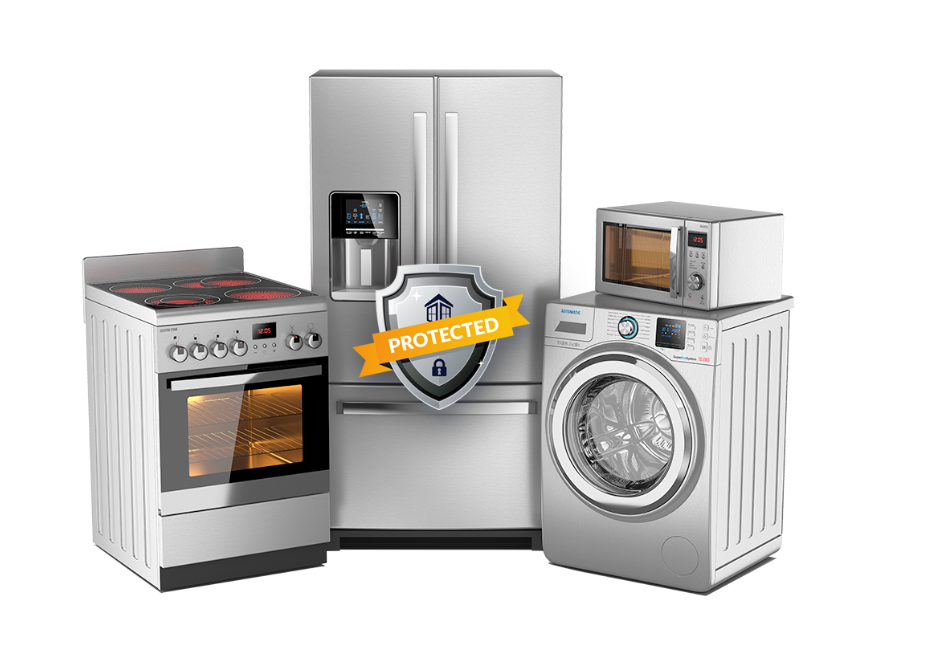

Owning a home is a milestone achievement, but it also comes with responsibilities that many new homeowners underestimate. From unexpected appliance breakdowns to costly structural issues, protecting your home isn’t just wise — it’s essential. Yet, there’s one common point of confusion that puts homeowners at risk: the difference between a home warranty and home insurance. Understanding how each one works — and what they don’t cover — can save you thousands in emergency repairs and financial stress. If you’ve ever wondered whether you need home appliance insurance or if appliance protection plans are worth it, this guide clears the clutter once and for all.
ServicePlus brings homeowners nationwide dependable coverage, fast repairs, and peace of mind for every major system and appliance. So, if you are looking for a home warranty, we recommend you visit our website today.
Why the Confusion Happens
Most people assume that once they buy homeowners insurance, their property is fully protected. Unfortunately, that’s not the case. Home insurance and home warranty plans serve totally different purposes. Insurance protects your home from the unexpected, while a warranty protects your systems and appliances from inevitable wear and tear.
Think of home insurance as a safety net for disasters, and a home warranty as a cushion for everyday breakdowns.
What Home Insurance Actually Covers
Homeowners insurance is mandatory if you have a mortgage, and it’s designed to cover major risks that could damage the structure of your home or your personal belongings. These risks typically include:
- Fire
- Theft
- Vandalism
- Storm damage
- Certain types of water damage
- Liability if someone is injured on your property
This coverage helps pay for rebuilding your home or replacing belongings after a sudden, accidental event. But here’s the catch: home insurance does not cover appliance or system breakdowns caused by normal use. So when your water heater stops working or your dishwasher dies, your insurance policy—and the insurer—won’t pay for repairs.
That’s where a home warranty becomes critical.
What a Home Warranty Covers — and Why Homeowners Need It
A home warranty plan, often referred to as a home appliance insurance alternative or an appliance protection plan, covers the mechanical failures of home systems and appliances due to aging or wear and tear.
Coverage usually includes:
- Heating and cooling systems
- Electrical systems
- Plumbing systems
- Water heaters
- Kitchen appliances
- Laundry appliances
These are the items you use every single day. They’re also the ones most likely to break down as your home gets older. Unlike insurance, a home warranty helps you pay for repairs or replacements when these items stop working — no disaster required.
Key Differences Every Homeowner Should Know
1. Cause of Damage
- Insurance: Covers accidental, sudden events (like a tree falling on your roof).
- Warranty: Covers wear and tear — the normal aging that all appliances and systems go through.
2. What’s Protected
- Insurance: Structure + belongings + liability.
- Warranty: Appliances + home systems.
3. Deductibles vs. Service Fees
- Insurance: Higher deductibles ($500–$2,500+).
- Warranty: Lower service fees, typically $50–$100 per repair visit.
4. Filing a Claim
- Insurance: A long investigation process.
- Warranty: Request service, get a technician, pay your service fee, and you’re done.
5. Renewal
- Insurance: Annual policy required for mortgage.
- Warranty: Optional but highly valuable for long-term savings.
Why You Need Both — Not One or the Other
A home warranty doesn’t replace home insurance, and home insurance doesn’t replace a warranty. They work together. If your home is hit by a storm, insurance is your lifeline. If your oven stops heating, your warranty saves you from paying hundreds — or even thousands — out of pocket.
Many homeowners assume that because they’ve never experienced a major breakdown, they won’t need a warranty. But from HVAC issues alone, the average repair can cost between $300 and $1,200 — and replacements can exceed $6,000. Compare that to a low-cost appliance protection plan, and the financial advantage becomes obvious.
The High Cost of Skipping a Home Warranty
Let’s look at real numbers. Common repairs include:
- Water heater: $450–$1,500
- Refrigerator: $350–$1,200
- HVAC compressor: $1,200–$4,000
- Electrical issues: $200–$1,000
One bad week can drain your savings — especially if multiple appliances fail around the same time (which happens more often than you think). A home warranty turns those unpredictable spikes into manageable service fees.
When Home Appliance Insurance Makes Sense
While home warranties are more common, some companies also offer specific home appliance insurance plans that focus only on appliances rather than whole-home systems. These are ideal if:
- Your home systems (plumbing, electrical, HVAC) are new but appliances are older
- You’re in a rental property
- You rely heavily on specialty appliances (smart refrigerators, advanced cooktops, etc.)
These targeted plans can be more affordable yet still offer strong protection.
Choosing the Right Appliance Protection Plan
If you’re comparing options, look for:
- Coverage for both systems and appliances
- Reasonable service fees
- A large contractor network
- Quick claim response times
- Clear transparency about what’s included
The best appliance protection plans offer peace of mind, predictable costs, and reliable repairs from vetted professionals.
Final Thoughts
A home warranty isn’t a luxury — it’s a practical tool that protects your biggest investment from the everyday breakdowns no insurance policy will cover. Home insurance shields you from disasters, but a warranty shields you from the real-life wear and tear that every homeowner faces sooner or later. ServicePlus delivers reliable, affordable home warranty protection for every homeowner. From appliances to major systems, we make repairs simple, fast, and stress-free.
Understanding the difference, and choosing the right combination of home appliance insurance and appliance protection plans, ensures you stay protected from every angle. Before something breaks unexpectedly, get ahead of it. Because when your AC fails on a summer weekend or your dishwasher quits right before hosting guests, you’ll be grateful you didn’t wait until it was too late.