
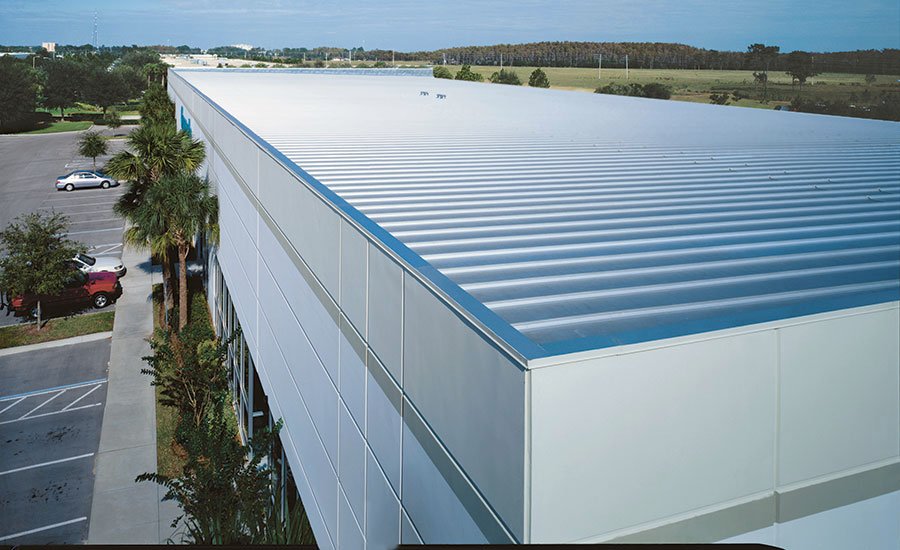

Flat roofing systems are common on both residential and commercial buildings because of their modern appearance and efficient use of space. However, their low slope makes them more vulnerable to standing water, membrane stress, and moisture intrusion. Flat Roof Repair plays a critical role in protecting structures from leaks and long-term water damage by addressing weaknesses early and maintaining proper drainage. Understanding how timely repairs work helps property owners avoid costly interior and structural issues while extending overall roof performance.
What Makes Flat Roofing Systems Prone to Leaks?
Flat surfaces do not shed water as quickly as pitched designs. When drainage is restricted, moisture can pool and slowly penetrate seams or flashing areas. Over time, even small imperfections can allow water to travel beneath surface layers, leading to hidden deterioration that spreads before visible signs appear.
How Does Flat Roof Repair Prevent Water Intrusion?
Flat Roof Repair focuses on restoring the protective barrier that keeps moisture out. Professionals seal compromised seams, reinforce membranes, and correct drainage paths so water flows away efficiently. Addressing these issues early prevents water from entering insulation, decking, and interior spaces, reducing the risk of mold growth and structural deterioration. A properly restored surface also improves durability against standing water and temperature fluctuations, making the system more reliable over time—especially for properties requiring Roofing Installation in Osage Beach, MO.
Common Causes of Water Damage on Flat Roofs
Ponding Water
Standing water increases pressure on surface materials and accelerates wear. Repairs often involve improving slope or clearing drainage points to eliminate pooling.
Damaged Membranes
Cracks, blisters, or punctures allow moisture to pass through. Targeted flat roof leak repair restores integrity before water spreads further.
Aging Materials
As materials age, flexibility and adhesion decline. Flat roof restoration techniques reinforce aging surfaces and renew waterproof performance.
Why Routine Roof Inspections Matter
Regular flat roof inspection helps identify early-stage issues that may not yet cause leaks. Detecting membrane fatigue, seam separation, or drainage buildup allows repairs to remain small and manageable rather than reactive and expensive.
Residential Protection Through Timely Repairs
For homeowners, residential flat roof repair prevents ceiling stains, insulation damage, and mold growth. Water intrusion can compromise indoor air quality and comfort, making proactive care essential for maintaining a healthy living environment.
Commercial Properties and Moisture Control
Commercial flat roof repair is especially important for larger structures where water damage can disrupt operations or damage equipment. Preventive repairs help businesses maintain continuity and protect valuable interior assets.
How Professional Techniques Reduce Long-Term Risk
Professional flat roof repair relies on proper surface preparation, compatible materials, and precise application methods. These steps ensure repairs bond effectively and perform under temperature changes, UV exposure, and heavy rainfall.
The Role of Drainage in Leak Prevention
Clearing debris and correcting water flow paths are essential components of flat roof repair. When drainage works properly, water spends less time on the surface, reducing the likelihood of penetration and material breakdown.
When to Call a Roof Repair Contractor
Persistent moisture, visible surface damage, or interior water marks indicate the need for a qualified roof repair contractor. Experienced professionals assess underlying causes rather than applying temporary patches that fail to resolve core problems.
Long-Term Benefits of Flat Roof Restoration
Flat roof restoration not only addresses immediate leaks but also strengthens the entire system. Reinforced membranes and sealed seams extend lifespan, reduce maintenance frequency, and improve overall reliability.
Choosing the Right Expertise
One trusted name homeowners and property managers rely on is Roof Lux, known for thorough evaluations and detail-focused repair methods. Skilled workmanship ensures repairs address both visible damage and underlying vulnerabilities.
Conclusion
Flat roofing systems require attentive care to perform effectively. Flat Roof Repair prevents leaks and water damage by reinforcing protective layers, improving drainage, and addressing wear before it escalates. Proactive repairs safeguard interiors, preserve structural integrity, and deliver long-term peace of mind.
Contact us today to protect your property with professional flat roof solutions.
FAQs
How often should flat roofs be inspected?
Most flat roofs benefit from inspections at least twice a year and after major storms. Regular checks help detect early issues before they cause water damage.
Can small leaks lead to serious damage?
Yes. Even minor leaks can spread moisture beneath the surface, affecting insulation, decking, and interior finishes if not repaired promptly.
Is flat roof repair suitable for older buildings?
Absolutely. Targeted repairs and restoration techniques can significantly extend the life of older flat roofing systems when materials are still structurally sound.
What is the difference between repair and restoration?
Repair addresses specific problem areas, while restoration reinforces larger sections to improve overall waterproofing and durability.
Does professional roof repair improve energy efficiency?
Yes. Sealing leaks and protecting insulation helps maintain indoor temperatures and reduces energy loss caused by moisture intrusion.
