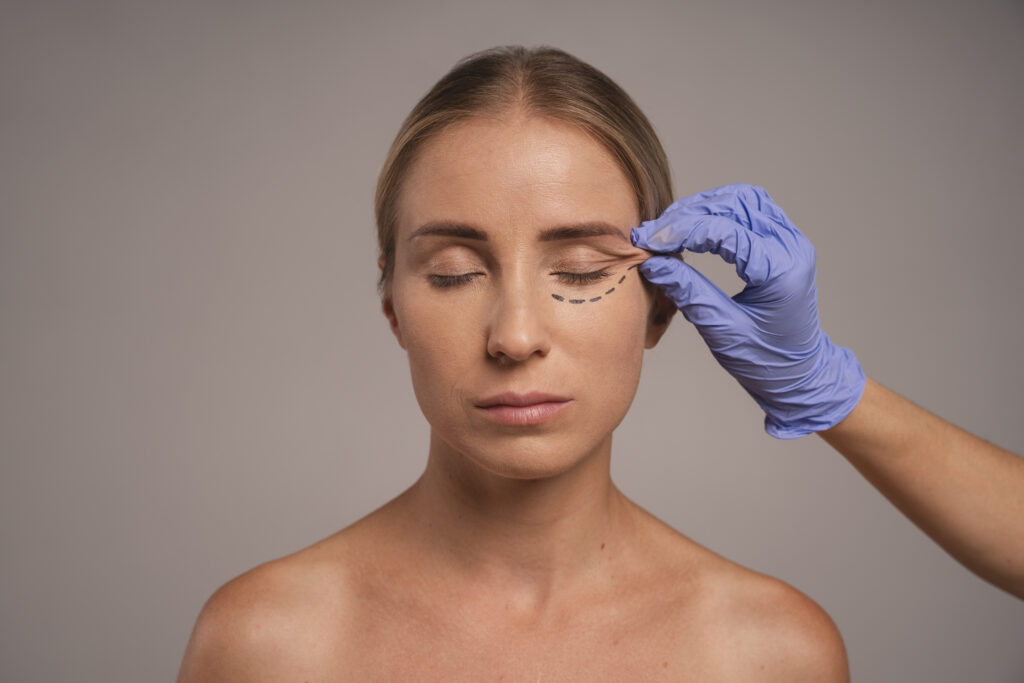

Botox around the eyes is one of the most popular non-surgical cosmetic treatments in the world. People choose it to soften crow’s feet, reduce fine lines, and create a refreshed, youthful appearance. One of the most common and important questions patients ask before treatment is: How many units are needed for Botox eyes before after results?
The answer is not the same for everyone. The number of units required depends on several factors, including the treatment area, muscle strength, age, skin condition, and desired results. Understanding how Botox units work and what influences dosage can help you set realistic expectations and feel confident before starting treatment.
This in-depth article explains Botox units for eye treatments, what “before and after” results typically look like, and how providers determine the right amount for safe, natural-looking outcomes.
Understanding Botox Units
Before discussing exact numbers, it’s important to understand what a “unit” of Botox actually means.
A Botox unit is a standardized measurement used to determine dosage. It is not related to volume or syringe size but instead refers to the biological activity of the product. Each unit has a specific effect on muscle relaxation.
More units do not automatically mean better results. The goal of Botox is to use just enough units to relax the targeted muscles while preserving natural facial expressions.
Why Botox Is Commonly Used Around the Eyes
The skin around the eyes is thinner and more delicate than other areas of the face. It is also constantly in motion due to blinking, smiling, squinting, and facial expressions. Because of this, fine lines and wrinkles tend to appear around the eyes earlier than in other areas.
Botox around the eyes is commonly used to treat:
- Crow’s feet (lines at the outer corners of the eyes)
- Fine lines under the eyes (in select cases)
- Wrinkles caused by squinting or smiling
- A tired or aged appearance around the eyes
Botox works by relaxing the muscles responsible for these lines, allowing the skin to appear smoother and more refreshed.
How Many Units Are Needed for Botox Eyes Before After Results?
The number of Botox units needed for eye treatments varies based on the specific area being treated. Below is a general breakdown to help you understand typical dosage ranges.
Botox for Crow’s Feet
Crow’s feet are the most common area treated around the eyes.
- Average units per side: 5–12 units
- Total units (both sides): 10–24 units
Mild crow’s feet may require fewer units, while deeper or more pronounced lines may need a higher dose.
Botox for Under-Eye Area
Botox is sometimes used cautiously under the eyes, but this area requires expert technique.
- Average units: 2–4 units per side (if appropriate)
Not everyone is a good candidate for under-eye Botox. In some cases, other treatments may be more suitable.
Botox for Lateral Brow and Eye Lift Effect
Some patients use Botox to subtly lift the outer brow and open up the eye area.
- Average units: 2–5 units per side
This can enhance eye shape and create a more rested appearance.
Factors That Affect Botox Unit Requirements
Muscle Strength
Stronger facial muscles require more units to achieve relaxation. People who squint frequently or have expressive smiles may need higher doses.
Severity of Wrinkles
Fine lines require fewer units, while deeper wrinkles need more units for noticeable improvement.
Age
Younger patients often need fewer units because their wrinkles are less established. Older patients may require more units for visible results.
Gender
Men generally need more Botox units than women because their facial muscles tend to be stronger and larger.
Desired Results
Some patients want very subtle changes, while others prefer a smoother, more dramatic improvement. The dosage is adjusted accordingly.
What Do Botox Eyes Before After Results Look Like?
Botox does not erase all movement. Instead, it softens the appearance of wrinkles while allowing the face to move naturally.
Before treatment, patients often notice:
- Visible lines when smiling or squinting
- A tired or aged look around the eyes
After treatment, most patients experience:
- Smoother skin around the eyes
- Reduced depth of crow’s feet
- A more refreshed and youthful appearance
Results should look natural, not stiff or frozen.
How Long Does It Take to See Before and After Results?
Botox does not work instantly. Understanding the timeline helps manage expectations.
- Initial results: 3–5 days
- Full results: 7–14 days
- Peak effect: Around 2 weeks
This is why many providers recommend waiting at least two weeks before evaluating final results.
How Long Do Botox Eye Results Last?
Botox results around the eyes typically last:
- 3–4 months for most patients
With regular treatments, some people notice longer-lasting effects because the muscles become trained to relax.
Is More Botox Always Better?
No. Using too many units can lead to:
- An unnatural or stiff appearance
- Difficulty with facial expressions
- Drooping of nearby muscles
A skilled provider focuses on balance and precision rather than high doses.
Can Botox Units Be Adjusted Over Time?
Yes. Botox treatment is highly customizable. Providers often start with a conservative dose and adjust during future sessions based on how your muscles respond.
Touch-up appointments may be offered if small adjustments are needed.
Is Botox Around the Eyes Safe?
When administered by a trained professional, Botox is considered safe and effective. The eye area requires careful technique due to the delicate anatomy, which is why choosing an experienced injector is essential.
Botox Units for Men vs. Women
Men usually need:
- 20–30% more units than women for eye treatments
This is due to stronger muscle mass and thicker skin.
How Often Should Botox Be Repeated?
Most patients repeat Botox every 3–4 months to maintain consistent results. Waiting too long between treatments may allow wrinkles to return fully.
Frequently Asked Questions (FAQ)
How many units are needed for Botox eyes before after results?
Most patients need 10–24 units for crow’s feet, depending on muscle strength and wrinkle severity.
Are Botox results around the eyes permanent?
No. Botox is temporary and typically lasts 3–4 months.
Can Botox fix deep eye wrinkles?
Botox works best on dynamic wrinkles caused by muscle movement. Deep static wrinkles may require additional treatments.
Is Botox under the eyes safe?
In select cases and with expert technique, small doses can be used safely.
Does Botox around the eyes look natural?
Yes, when done correctly, results look subtle and natural.
How soon can I wear makeup after Botox?
Most providers recommend waiting at least 24 hours.
Can men get Botox for eyes?
Yes. Many men choose Botox to reduce crow’s feet and look refreshed.
What happens if I stop Botox?
Wrinkles gradually return to their original appearance, but they do not worsen.
Final Thoughts
How many units are needed for Botox eyes before after results?
The answer depends on individual factors such as muscle strength, wrinkle severity, age, and aesthetic goals. On average, most people need between 10 and 24 units for crow’s feet, with smaller amounts used for other eye-related areas.
Botox around the eyes is a highly effective, customizable treatment when performed by an experienced professional. With the right dosage and technique, it can create smoother skin, softer wrinkles, and a refreshed appearance—without sacrificing natural expression.