
Skin pigmentation is one of the most common aesthetic concerns faced by people living in sunny climates. In Dubai, exposure to strong sunlight, heat, hormonal changes, and lifestyle factors often lead to uneven skin tone, dark patches, and discoloration. Pigmentation treatment has become a popular solution for individuals seeking clearer, brighter, and healthier-looking skin.
This article explains pigmentation treatment in detail, including causes, treatment options, the before-and-after journey, and what results you can realistically expect.
Understanding Skin Pigmentation and Its Causes
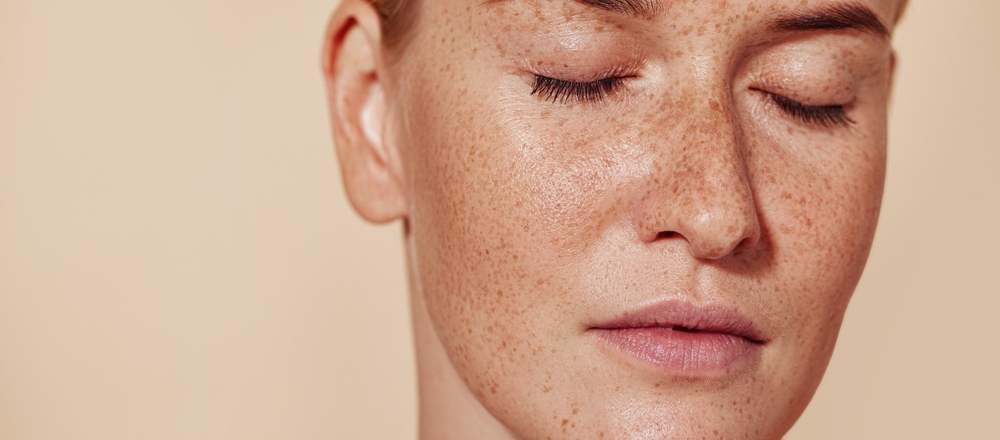
Pigmentation Treatment in Dubai occurs when excess melanin is produced in certain areas of the skin. Melanin is responsible for skin color, but when its production becomes uneven, dark patches or spots appear.
Common causes of pigmentation include prolonged sun exposure, hormonal changes, aging, acne scars, genetics, and improper skincare routines. Stress and environmental pollution can also worsen pigmentation over time.
Pigmentation Treatment in Dubai
Pigmentation Treatment in Dubai
Dubai offers advanced aesthetic solutions for pigmentation because of the high demand for skin treatments in the region. The treatments are designed to target different types of pigmentation, including melasma, sunspots, freckles, and post-inflammatory hyperpigmentation.
Types of Pigmentation Commonly Treated
Sun-Induced Pigmentation
Sun exposure is the leading cause of pigmentation in Dubai. UV rays stimulate melanin production, leading to dark spots and uneven tone, especially on the face, neck, and hands.
Melasma and Hormonal Pigmentation
Melasma appears as brown or grayish patches, commonly on the cheeks, forehead, and upper lip. Hormonal changes during pregnancy or due to medication often trigger this condition.
Acne-Related Pigmentation
Post-acne marks can linger long after breakouts heal. These dark spots can make skin look uneven and dull without proper treatment.
Popular Pigmentation Treatment Options
Laser-Based Pigmentation Treatments
Laser treatments work by breaking down excess melanin in the skin. Over time, the body naturally clears the pigment, resulting in a brighter and more even complexion.
Chemical Peels
Chemical peels exfoliate the top layers of skin, encouraging new skin growth. They are effective for mild to moderate pigmentation and help improve skin texture.
Medical-Grade Skincare
Topical treatments containing active ingredients help control melanin production. These are often used alongside professional treatments to maintain results.
Combination Treatments
In many cases, a combination of treatments delivers the best outcome. Customized plans address pigmentation at different skin levels for more noticeable improvement.
Before Pigmentation Treatment: What to Expect
Before starting treatment, a detailed skin assessment is performed to identify the type and depth of pigmentation. This helps determine the most suitable approach.
Patients may be advised to avoid sun exposure, stop using certain skincare products, and prepare the skin for treatment. Pre-treatment care plays a major role in achieving better results.
After Pigmentation Treatment: Visible Improvements
After treatment, the skin gradually becomes clearer and more even-toned. Dark spots begin to fade, and overall skin texture improves.
Some redness or mild peeling may occur initially, depending on the treatment type. These effects are temporary and usually resolve within a few days.
Results continue to improve over several weeks as the skin regenerates and melanin production becomes balanced.
Pigmentation Treatment Before and After Results
Before treatment, pigmentation may appear as dark patches, uneven tone, or stubborn marks that do not fade with regular skincare. After completing the recommended sessions, most individuals notice a visible reduction in pigmentation and a brighter complexion.
Consistency and proper aftercare are key to maintaining before-and-after results. Sun protection is especially important to prevent recurrence.
How Many Sessions Are Needed?
The number of sessions depends on the severity and type of pigmentation. Some people see improvement after one session, while others may require multiple treatments spaced several weeks apart.
Gradual improvement is normal, and full results are usually visible after completing the treatment plan.
Who Is a Good Candidate for Pigmentation Treatment?
Pigmentation treatments are suitable for most skin types and tones. Individuals experiencing sun damage, melasma, acne marks, or uneven skin tone can benefit from these treatments.
A personalized approach ensures safety and effectiveness, especially for sensitive or darker skin tones.
Maintaining Results After Pigmentation Treatment
To maintain results, daily sun protection is essential. Using sunscreen, avoiding direct sunlight, and following a proper skincare routine help prevent pigmentation from returning.
Hydration, healthy eating, and regular follow-up treatments can also enhance and prolong results.
Why Pigmentation Treatment Is Popular in Dubai
The climate and lifestyle in Dubai increase the risk of pigmentation, making advanced skin treatments highly sought after. Modern techniques allow effective treatment with minimal downtime, making them suitable for busy lifestyles.
People prefer professional treatments because they offer visible improvement that is difficult to achieve with home remedies alone.
Conclusion
Pigmentation treatment offers a reliable solution for achieving clearer, brighter, and more even-toned skin. With the right approach, noticeable before-and-after results can be achieved safely and effectively.
Understanding the causes of pigmentation, choosing the right treatment, and following proper aftercare are essential steps toward long-lasting results. For anyone struggling with dark spots or uneven skin tone, pigmentation treatment provides a confident step toward healthier-looking skin.