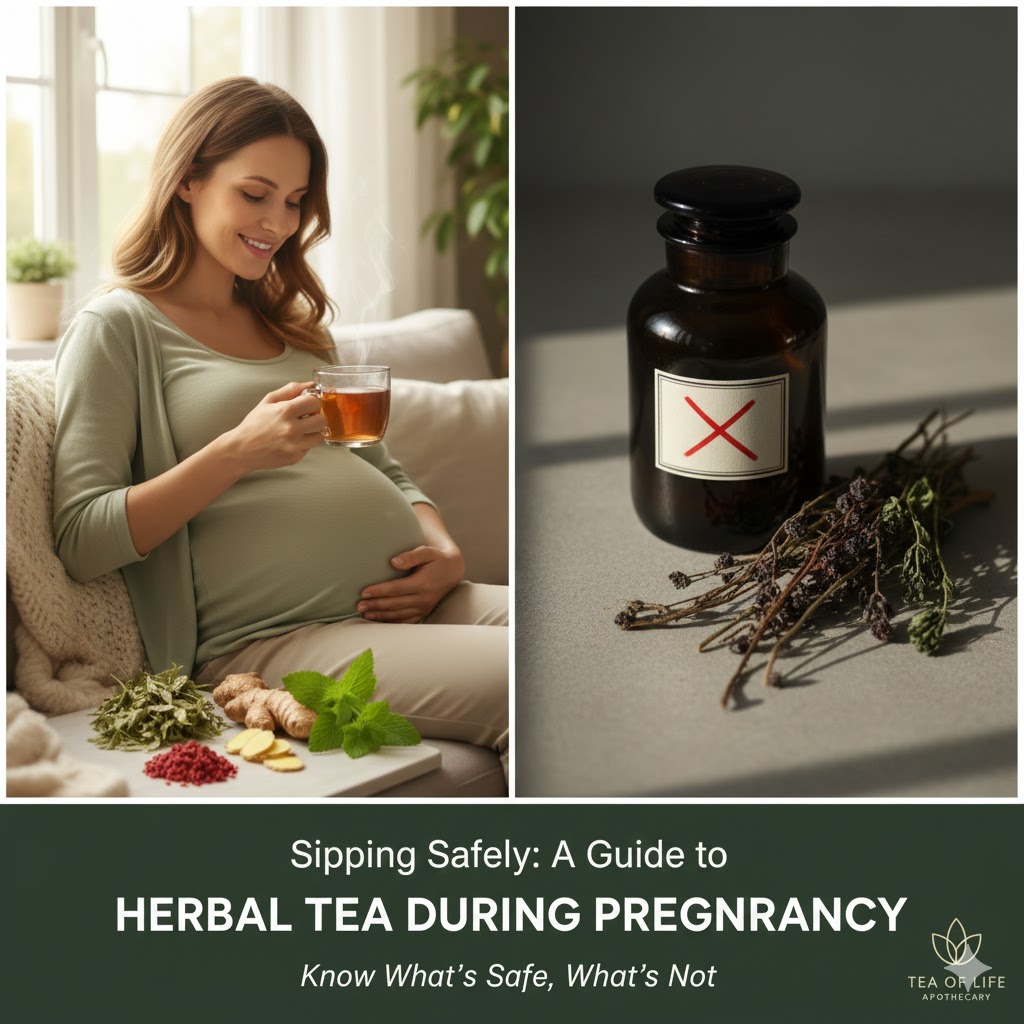

Pregnancy is a journey filled with excitement, anticipation, and often, a quest for natural ways to support wellness. For many expectant mothers, turning to soothing beverages like herbal tea seems like a natural choice. However, when it comes to Herbal Tea During Pregnancy, careful consideration is paramount. While some herbal teas can offer gentle relief for common pregnancy discomforts, others may pose risks to both mother and baby. Understanding which herbs are safe and which to avoid is crucial for making informed choices.
The Appeal and Caution of Herbal Tea During Pregnancy
Herbal teas, derived from various plant parts like leaves, flowers, roots, and seeds, have been used for centuries for their medicinal properties. During pregnancy, they can be particularly appealing for their potential to alleviate symptoms such as morning sickness, insomnia, and anxiety, often without the side effects associated with some over-the-counter medications.
Why Caution is Key
Unlike conventional tea (black, green, oolong) which comes from the Camellia sinensis plant, herbal teas are diverse and their effects can vary greatly. Many herbs contain compounds that can be potent and may interact with medications, stimulate contractions, or affect fetal development. The lack of extensive research on many herbs specifically in pregnant populations further underscores the need for caution and professional guidance.
Safe & Beneficial Herbal Teas for Expectant Mothers
While always consulting with a healthcare provider is recommended, certain herbal teas are generally considered safe in moderate amounts during specific stages of pregnancy.
Raspberry Leaf Tea
Often dubbed “the women’s herb,” red raspberry leaf tea is widely used in the second and third trimesters. It is believed to strengthen the uterine muscles, potentially making labor more efficient. It’s rich in vitamins and minerals, including iron, calcium, and magnesium.
Ginger Tea
A well-known remedy for nausea and morning sickness, ginger tea can be a lifesaver in the first trimester. It’s also thought to aid digestion and reduce inflammation.
Peppermint Tea
For relief from nausea, indigestion, and heartburn, peppermint tea can be a refreshing option. However, some find it can exacerbate heartburn in later pregnancy.
Chamomile Tea
Known for its calming properties, chamomile tea can help reduce anxiety and promote restful sleep. Ensure you’re using true chamomile (German or Roman) and not a daisy-family relative, especially if you have ragweed allergies.
Lemon Balm Tea
This gentle herb is valued for its ability to soothe nerves, reduce anxiety, and improve sleep quality. It has a pleasant, citrusy flavor.
Herbal Teas to Approach with Caution or Avoid
Several herbs should be avoided or used with extreme caution during pregnancy due to their potential to stimulate uterine contractions, cause bleeding, or affect fetal development.
Uterine Stimulants
-
Black Cohosh & Blue Cohosh: These are often used to induce labor and should be strictly avoided.
-
Dong Quai: May stimulate uterine contractions and increase bleeding.
-
Pennyroyal: Highly toxic and can cause miscarriage.
Herbs Affecting Blood & Hormones
-
Ginseng: Can affect blood sugar levels and may have hormonal effects.
-
Licorice Root: Can elevate blood pressure and lead to premature birth in large amounts.
-
Feverfew: Can stimulate uterine contractions and may interfere with blood clotting.
Strong Diuretics & Laxatives
-
Senna: A strong laxative that can lead to dehydration and electrolyte imbalance.
-
Juniper Berry: A diuretic that can stimulate uterine contractions.
Tips for Safely Enjoying Herbal Tea During Pregnancy
If you choose to incorporate herbal teas into your pregnancy wellness routine, keep these tips in mind:
-
Consult Your Healthcare Provider: Always discuss any herbal remedies, including teas, with your doctor or midwife before consumption.
-
Choose High-Quality Brands: Opt for reputable brands that clearly label ingredients and source ethically.
-
Start Small: Begin with small amounts to assess your body’s reaction.
-
Moderation is Key: Even safe herbs should be consumed in moderation, typically no more than 1-2 cups per day.
-
Know Your Source: Understand where your herbs come from and how they are processed.
To further personalize your wellness journey, we recommend reading our expert guide on how to create a relaxing evening tea ritual for better sleep. Additionally, if you are looking for specific nutritional support, explore our detailed article on the best herbal infusions for iron absorption to help maintain your energy levels throughout your pregnancy.
Conclusion
Navigating the world of herbal tea pregnancy requires a blend of knowledge, caution, and expert advice. While some herbal infusions can be wonderfully supportive during this special time, understanding the nuances of each herb is vital for the health of both mother and baby. At Tea of Life Apothecary, we are committed to providing thoughtfully sourced, high-quality herbal blends, and while we always recommend consulting your healthcare provider, we strive to be a trusted resource for information on safe and beneficial herbal choices for every stage of life, including pregnancy. Your well-being is our priority, and we encourage informed choices for a healthy and happy pregnancy journey.