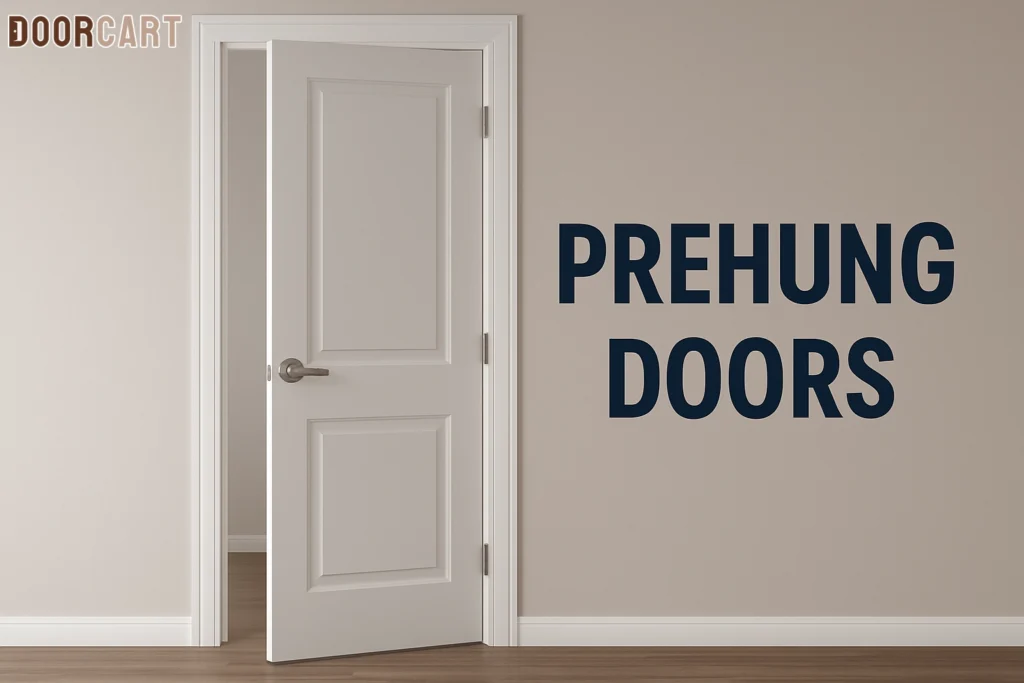

In the world of home renovation and construction, few upgrades balance practicality, aesthetic impact, and value as effectively as replacing an interior or exterior door. For Canadian homeowners, builders, and DIY enthusiasts, the choice often comes down to a critical decision: a slab door or a prehung door. Increasingly, the prehung door is becoming the gold standard for new builds and renovations alike. But what exactly is a prehung doors, and why is it a particularly savvy choice for the Canadian market? This comprehensive guide explores everything you need to know.
What is a Prehung Door?
A prehung door is a complete door system sold as a single, factory-assembled unit. It includes:
-
The Door Slab: The actual door itself.
-
The Frame (Jamb): The surrounding structure, typically made of wood, MDF, or composite material, which includes the two side jambs and the head jamb across the top.
-
The Hinges: Already mortised (recessed) and attached to both the door and the frame.
-
Pre-Drilled Hardware Holes: For the latch and deadbolt.
-
Often Includes: The door stop (the trim the door closes against) and, for exterior doors, a sill or threshold and sometimes a pre-installed weatherstripping system.
In essence, it’s a “door in a box,” designed to be installed into a rough opening in one concerted effort. This contrasts with a “slab door,” which is just the door by itself, requiring the installer to mortise hinges, chisel out hardware holes, and assemble and square the frame from scratch.
Why Prehung Doors are Gaining Popularity in Canada
1. Superior Energy Efficiency and Weather Sealing
Canada’s climate is unforgiving, with harsh winters, hot summers, and significant temperature fluctuations. A door is a primary barrier against energy loss. Prehung exterior doors, especially those from quality manufacturers, come with integrated, factory-applied weatherstripping and thermal breaks in the frame. This ensures a consistent, airtight seal that is far more reliable than what can typically be achieved with a field-assembled slab door. For Canadians, this translates directly into lower heating bills, enhanced comfort by eliminating drafts, and reduced environmental footprint—a key consideration for many.
2. Simplified Installation, Even for DIYers
The most significant advantage is ease of installation. Hanging a slab door perfectly is a skilled carpentry task requiring precise measurements, specialized tools (like routers and chisels), and a keen eye for detail. Misalignment leads to sticking, latching problems, and drafts.
A prehung door simplifies the process to: setting the unit in the rough opening, shimming it to be perfectly level and square, and securing it to the framing. This makes it a far more accessible project for the competent DIY homeowner. For contractors, it drastically reduces on-site labour time, allowing them to move projects forward more quickly and predictably.
3. Professional, Consistent Results
Because the door is pre-assembled in a controlled factory environment, the alignment of hinges, the gap between the door and the frame (the “reveal”), and the integration of weatherstripping are precise. This factory precision ensures the door operates smoothly, closes securely, and looks professionally installed. It eliminates the “callback” for builders—where a client complains about a sticking or drafty door after installation.
4. Wide Availability and Style Selection
The Canadian building supply market, from major national retailers like Home Depot and Lowe’s to specialized door and millwork shops, stocks an immense variety of prehung doors. Homeowners can choose from:
-
Materials: Solid wood (oak, maple, pine), engineered wood, fiberglass, and steel.
-
Styles: Classic panel doors, modern flat-panel designs, French doors, and more.
-
Finishes: Primed (ready for paint), pre-finished stained wood, or factory-applied colour coatings.
This allows for seamless matching with Canadian interior design trends, from West Coast modern to rustic cottage and traditional styles.
Key Considerations for the Canadian Buyer
1. Interior vs. Exterior: The requirements differ greatly.
-
Exterior Prehung Doors: Must be robust, insulated, and weather-sealed. Look for:
-
Energy Star® Certification: A crucial label in Canada, indicating the door meets strict performance standards for energy efficiency.
-
Core Material: Insulated steel and fiberglass doors offer excellent thermal performance and durability. Modern fiberglass doors convincingly mimic wood grain.
-
Weatherstripping: High-quality, durable compression seals are essential.
-
-
Interior Prehung Doors: Focus is on style, sound dampening, and cost. Solid core doors provide better sound insulation and a more substantial feel than hollow core options, an important factor in multi-family dwellings and busy households.
2. Standard Sizing vs. Customization
Most prehung doors come in standard widths (28”, 30”, 32”, 36”) and heights (80” for interior, 96”/6’8” for exterior). It’s critical to measure your rough opening (the structural opening in the wall) accurately. While standard sizes fit most Canadian homes built in the last 40 years, older character homes (common in cities like Toronto, Vancouver, and Halifax) often have non-standard openings. The good news is that custom-sized prehung doors are readily available through specialty suppliers, though at a higher cost and with longer lead times.
3. Navigating Building Codes and Climate Zones
Canada’s National Building Code (NBC) and provincial codes have specific requirements for exterior doors, particularly regarding energy efficiency, fire egress (for certain locations), and structural integrity. Reputable door suppliers in Canada will understand and supply products that meet or exceed these codes. Always ensure your exterior door purchase is suitable for your specific climate zone (e.g., Zone 6 or 7 for much of the Prairies and Northern Ontario).
4. The Installation Process in a Canadian Context
Even with a prehung door, proper installation is non-negotiable. Key steps include:
-
Flashing and Water Management: For exterior doors, integrating the door’s sill and frame with housewrap and proper flashing is critical to prevent moisture intrusion—a leading cause of building envelope failure in Canada.
-
Insulation: Using low-expansion foam insulation around the sealed frame to fill gaps and prevent thermal bridging and air infiltration.
-
Levelling and Squaring: Taking the time to shim correctly ensures long-term operation.
Cost Analysis: Are Prehung Doors Worth It in Canada?
At first glance, a prehung door has a higher upfront material cost than a slab door. However, a true cost analysis must include labour.
-
Slab Door: Lower material cost + High skilled labour cost.
-
Prehung Door: Higher material cost + Lower labour cost (or DIY feasible).
For most Canadians, the total installed cost of a prehung door is often competitive with, if not lower than, a professionally installed slab door. When you add the value of guaranteed energy efficiency, warranty (often more comprehensive on the complete factory unit), and time savings, the prehung door almost always represents the better overall value.
Conclusion: The Clear Choice for Modern Canadian Living
The prehung door is more than just a convenience; it’s a product engineered for performance and reliability. For Canadian homeowners facing specific challenges—extreme weather, a desire for energy savings, and often a need to maximize renovation value—it is an exceptionally smart choice.
Whether you’re a contractor looking to streamline your builds and ensure client satisfaction, or a homeowner embarking on a renovation to update your entryway or modernize your interior spaces, the prehung door offers a path to a superior, hassle-free result. It embodies the principle of doing it right the first time: investing in a product that will provide beauty, functionality, and efficiency for years to come, standing firm against the Canadian seasons. Before your next project, visit a local building supply centre, explore the options, and you’ll likely find that the perfect door for your Canadian home is already hung, sealed, and waiting in a box.