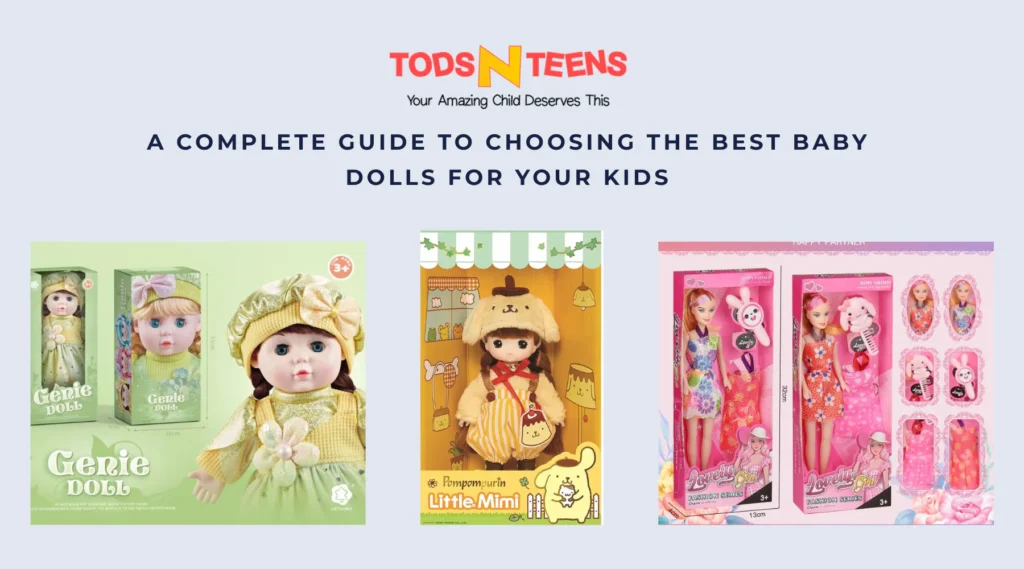

Baby dolls have always been children’s favorite toys. Whether you are buying a doll for a toddler or looking for a pretend-play set for preschool kids, baby dolls play a significant role in their emotional, social, and creative development. The modern toy industry has advanced baby dolls so much that they are no longer just simple toys; they have become learning tools, comfort companions, and sparks for imagination.
1. Baby Dolls – Kids’ Most Loved Toys
The world of children’s toys is vast, but the charm of baby dolls never fades. Kids naturally enjoy pretend play, and dolls give them opportunities to nurture, care, interact, and role-play. These toys help them understand real-life situations like feeding, dressing, bedtime, and emotional bonding.
Psychologists say baby dolls speed up emotional development, kids learn empathy and care, which are essential for their personal growth.
2. Types of Baby Dolls for Kids
Today, there are many types of baby dolls available in the market. Each doll has its own purpose and benefits. Let’s explore:
Soft Plush Baby Dolls
These lightweight and cuddly dolls are perfect for newborns and toddlers. Parents prefer them due to their safe materials and soft touch.
Realistic Baby Dolls
Also known as “life-like dolls,” these look just like real babies. They are ideal for toddlers, preschoolers, and collectors.
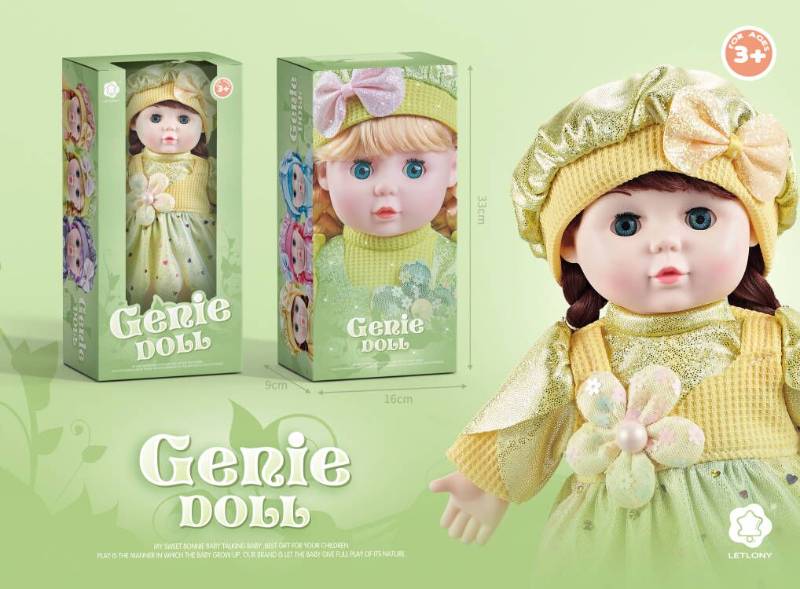
Talking Baby Dolls
These dolls make sounds, phrases, and giggles. Kids interact with them, which helps improve language development.
Feeding & Bath Dolls
These dolls come with feeding accessories like bottles, spoons, and bath sets. They are great for role-play.
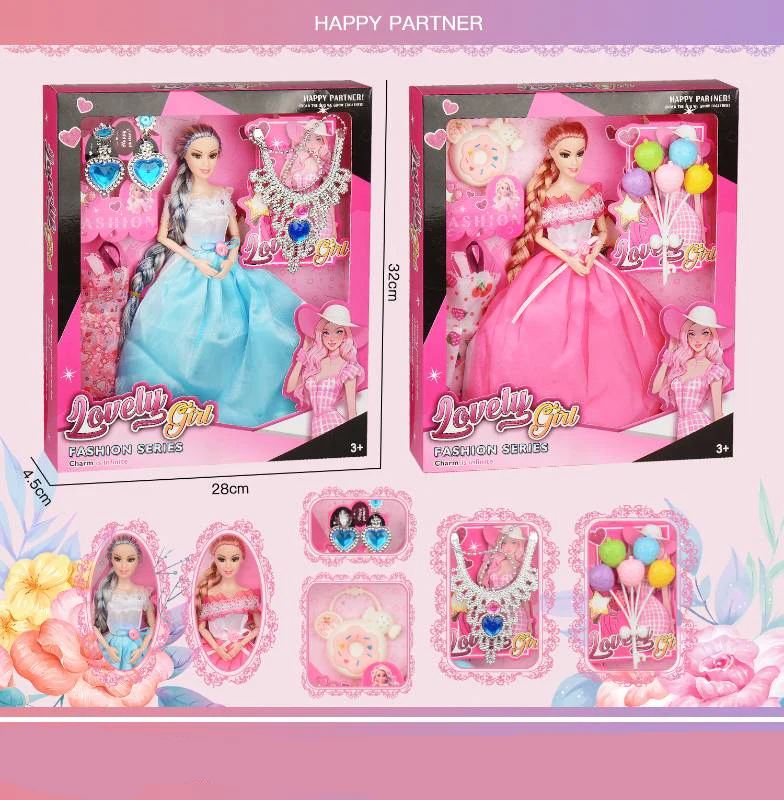
Fashion Baby Dolls
If kids love dressing and fashion, these dolls are perfect. Changing outfits boosts their creativity.
Interactive Baby Dolls
These dolls have sensors and can laugh, blink, and kick. They combine technology and fun!
3. Benefits of Baby Dolls for Kids Development
Baby dolls are not just play items; they are excellent tools for teaching essential life skills.
Social & Emotional Skills
Kids develop nurturing, helping, and caring habits. This fosters positive behavior in future relationships.
Imagination & Creativity
Pretend play allows them to create imaginary scenes, naturally boosting their creativity.
Motor Skills Improvement
Dressing, feeding, and carrying dolls enhance their fine motor skills.
Speech & Communication
With talking baby dolls, kids repeat sentences, which is great for early language learning.
Independence & Responsibility
Kids learn to handle a “little baby,” which makes them more responsible.
4. How to Choose the Right Baby Doll
When buying a baby doll, consider the following:
Age-Appropriate Doll
Soft dolls for toddlers, interactive dolls for preschoolers, and fashion dolls for older kids.
Safe & Non-Toxic Material
Always ensure the materials are BPA-free, non-toxic, and child-safe.
Lightweight & Easy to Hold
Avoid heavy dolls for younger children.
Washable Fabric
Dolls get dirty quickly, so washable materials are best.
Accessories Included
Feeding bottles, clothes, bed sets, and strollers enhance the play experience.
5. Fun Play Activities With Baby Dolls
Kids can do countless activities with baby dolls:
- Feeding time pretend play
- Bathing the doll
- Dressing and grooming
- Role-play as a parent
- Storytelling with the doll
- Tea party pretend scenes
- Taking the doll to “school”
These activities strengthen their imagination, communication, and emotional bonding.
6. Why Baby Dolls Are Popular Worldwide
Baby dolls are popular globally because they appeal to kids of all cultures and ages. They promote caregiving, learning through play, early responsibility, and emotional development. These toys are timeless; every generation enjoys them.
Conclusion
Baby dolls are timeless, meaningful, and learning-based toys that make every kid’s playtime special. They not only provide entertainment but also build confidence, creativity, empathy, and communication skills. Choosing a high-quality kids doll can positively direct your child’s early development.
FAQs
Q1: What age kids are baby dolls best for?
Baby dolls are suitable for kids aged 1 to 10 years, but the type of doll should match the child’s age.
Q2: Are baby dolls educational?
Yes, dolls promote empathy, social skills, speech development, and creativity, making them educational toys.
Q3: Are soft dolls safe for toddlers?
Absolutely! Soft plush dolls are the safest option for toddlers since they don’t contain hard materials.
Q4: What is the benefit of realistic baby dolls?
Realistic dolls make pretend play feel natural and teach kids nurturing behavior.
Q5: Are baby dolls suitable for boys?
Yes! Dolls are gender-neutral toys. Boys also achieve social and emotional learning through pretend play.