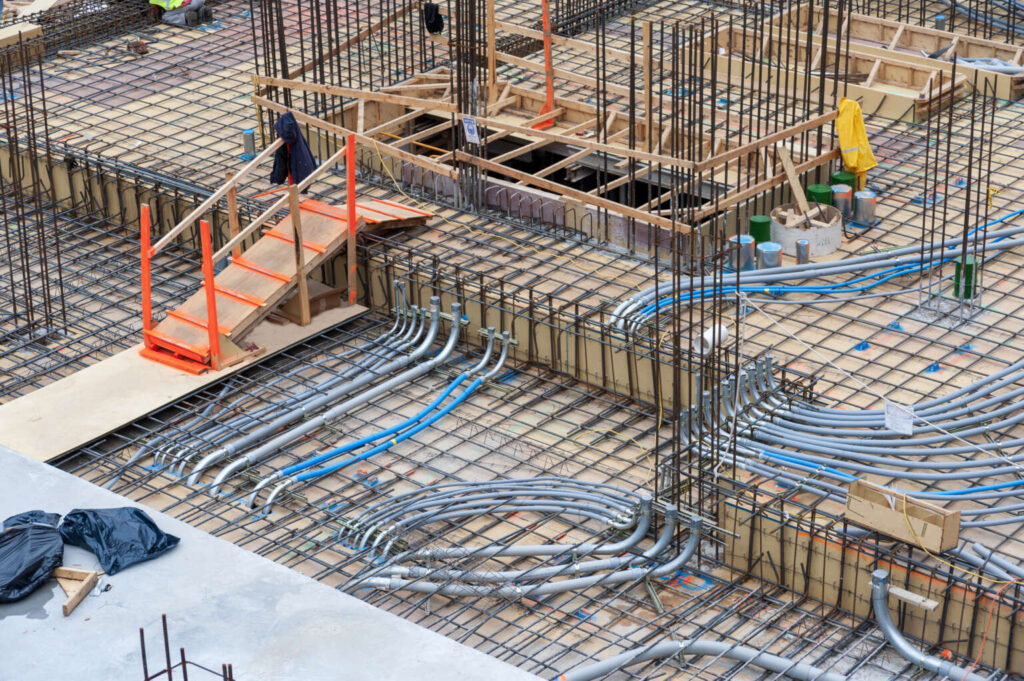

Radiant Floor Heating has become a popular choice for homeowners seeking energy-efficient, comfortable, and consistent heating. Unlike traditional forced-air systems, radiant heat warms the floor and radiates upward, creating evenly heated spaces with reduced energy consumption. Understanding the different types of systems, their advantages, and installation considerations helps homeowners choose the right solution for their homes. This guide explores electric radiant floor heating, hydronic systems, and key factors for successful floor heating installation.
What Is Radiant Floor Heating?
Radiant floor heating works by transferring heat directly through floors instead of heating the air. This method creates uniform warmth, eliminates cold spots, and offers a quiet, energy-efficient alternative to conventional heating systems.
Key benefits of radiant heat flooring:
- Even and consistent warmth throughout the room
- Energy savings by heating surfaces directly
- Comfortable floors underfoot, especially in bathrooms or kitchens
- Minimal noise and no bulky radiators
Radiant floor heating is compatible with various flooring types, including tile, laminate, stone, and engineered wood.
Types of Radiant Floor Heating Systems
There are two primary types of radiant floor heating systems: electric radiant floor heating and hydronic radiant heating. Each system has its own advantages depending on home size, usage, and budget.
Electric Radiant Floor Heating
Electric radiant floor heating uses heating cables or mats installed beneath the flooring to provide warmth. It’s particularly popular for single rooms or smaller spaces like bathrooms, kitchens, or renovated areas.
Advantages of electric systems:
- Quick and easy installation, ideal for retrofits
- Precise temperature control for individual rooms
- Energy-efficient for smaller spaces
- Minimal maintenance requirements
Electric radiant systems are often used for targeted heating in rooms where comfort and convenience are priorities. They are compatible with most floor types and allow homeowners to enjoy warm floors immediately.
Hydronic Radiant Floor Heating
Hydronic radiant floor heating circulates heated water through a network of tubes installed beneath the floor. A boiler or heat pump heats the water, which then radiates warmth into the room.
Advantages of hydronic systems:
- Highly energy-efficient for larger homes or entire-floor installations
- Can be powered by gas, electricity, or solar energy
- Long lifespan with proper maintenance
- Ideal for tile, stone, and concrete floors
Hydronic systems are ideal for new construction or large-scale installations due to their ability to heat multiple rooms efficiently while maintaining low energy costs.
Comparing Electric vs. Hydronic Systems
While both systems provide efficient heating, the choice depends on factors like room size, home layout, and budget.
- Electric systems: Best for small areas or single-room applications. Fast installation, precise control, minimal maintenance.
- Hydronic systems: Suitable for whole-home heating, long-term energy savings, and high-capacity heat distribution.
Both options provide energy-efficient floor heating, but hydronic systems are better suited for large-scale installations, whereas electric systems excel in individual rooms or retrofits.
Floor Heating Installation Considerations
Proper floor heating installation is essential for maximizing efficiency and comfort. Several factors influence the effectiveness of radiant floor heating systems.
Key considerations include:
- Assessing flooring compatibility, as some materials retain heat better
- Choosing the right system type based on room size and usage
- Ensuring proper insulation beneath the system to minimize heat loss
- Planning layout and controls for optimal comfort
A well-planned installation ensures long-lasting performance and efficient operation of your radiant heat flooring.
Energy Efficiency of Radiant Heat Flooring
Radiant floor heating is naturally more energy-efficient than forced-air systems because it directly heats objects and surfaces. This reduces energy waste and allows homeowners to maintain lower thermostat settings.
Efficiency benefits include:
- Reduced energy consumption and lower utility bills
- Targeted heating in rooms where it’s needed most
- Minimal heat loss compared to ducted systems
- Integration with smart thermostats for enhanced control
Energy-efficient radiant heat flooring provides both comfort and cost savings over time.
Applications of Radiant Floor Heating
Radiant floor heating can be installed throughout the home, with specific benefits in certain areas:
- Bathrooms: Electric mats provide quick, warm floors underfoot.
- Kitchens: Underfloor heating keeps hard surfaces warm and comfortable.
- Living rooms: Consistent heating throughout the space improves comfort and energy use.
By choosing the right system and installation method, homeowners can enjoy radiant heat in any part of their home.
Maintenance and Longevity
Radiant floor heating systems require minimal maintenance but should be monitored to ensure optimal performance.
Maintenance tips:
- Inspect hydronic pipes for leaks or blockages
- Test electric mats for consistent operation
- Keep floors clean to allow efficient heat transfer
- Schedule inspections for long-term system reliability
With proper care, radiant floor heating systems can last decades, providing reliable warmth and energy-efficient performance.
Conclusion
Understanding the different types of Radiant Floor Heating systems is essential for homeowners looking to enhance comfort and reduce energy costs. Electric radiant floor heating is ideal for small rooms or retrofits, while hydronic systems are perfect for large-scale or whole-home installations. Proper floor heating installation ensures efficiency, longevity, and consistent warmth. By investing in radiant heat flooring, homeowners can enjoy energy savings, cozy floors, and improved comfort throughout their home.
FAQs
1. What types of radiant floor heating are available?
Radiant floor heating includes electric systems for small areas and hydronic systems for larger, energy-efficient whole-home installations.
2. What is electric radiant floor heating?
Electric systems use cables or mats under floors to provide targeted warmth, ideal for bathrooms, kitchens, or single rooms.
3. What is hydronic radiant heating?
Hydronic systems circulate heated water through pipes beneath the floor, offering efficient, large-scale home heating.
4. Is radiant floor heating energy-efficient?
Yes, it heats surfaces directly, reduces heat loss, and allows lower thermostat settings, saving energy and costs.
5. How long does a radiant floor heating system last?
With proper installation and maintenance, both electric and hydronic systems can provide reliable heat for decades.