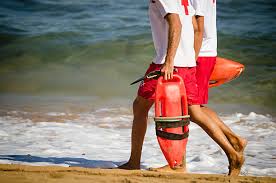

If you’ve been searching for “certified lifeguard training and certification near me,” you’re not alone. Every year, thousands of people in the United States look for lifeguard certification to work at pools, beaches, waterparks, schools, summer camps, fitness centers, and aquatic facilities.
The good news is: finding a trusted lifeguard training program near you is easier than ever—if you know where to look and what to verify. This guide explains the best places to find certified lifeguard training in the USA, what your course should include, and how to choose the right provider.
1) Search for Nationally Recognized Lifeguard Certification Providers
The first and most reliable step is to look for nationally recognized certification agencies that train lifeguards according to widely accepted standards. Employers across the United States typically prefer certifications from organizations that offer structured training, in-water skills testing, and medical response education.
A legitimate lifeguard certification program in the USA generally includes:
-
Water rescue techniques (active/passive victim rescue)
-
Surveillance and scanning skills
-
CPR for adults, children, and infants
-
AED use
-
First Aid training
-
Emergency Action Plans (EAP)
-
Written exam + practical skills test
When you find a nearby class, always confirm that the certification is current, verifiable, and widely accepted by employers.
2) Check Community Pools, Recreation Centers, and Fitness Clubs
One of the most common places to find lifeguard training near you is your local:
-
Community pool
-
City recreation department
-
YMCA-style aquatic facility
-
Fitness clubs with swimming pools
-
Swim schools
These locations often host regular certification classes—especially before summer season. Many facilities also offer training directly to people they plan to hire, so it’s smart to ask:
“Do you offer lifeguard certification courses?”
“Which certification organization do you use?”
“Does it include CPR/AED + First Aid?”
“Is it accepted by most employers in this area?”
If the facility hires lifeguards, it’s a strong sign their certification is reputable.
Learn more: click here!
3) Explore Lifeguard Programs at Colleges and Universities
Many colleges and universities in the United States offer lifeguard certification classes through:
-
Campus recreation programs
-
Athletics departments
-
Health and safety training centers
These programs are often well-structured and include advanced skills practice. If you live near a university, check their campus recreation website or call their aquatic center for class schedules.
This option is especially useful for students and young adults looking to start working as lifeguards.
4) Look for Beach Lifeguard Training
Not all lifeguard certifications are the same. Pool lifeguarding and beach lifeguarding require different skill sets, especially when it comes to waves, rip currents, and open water rescues.
If you want to become an ocean lifeguard, look for training offered by:
-
Coastal lifeguard agencies
-
Local beach patrol departments
-
Open-water rescue programs
-
Lifesaving academies
These programs often require stronger swimming skills and may include extra physical testing.
5) What to Look for in a Real Certified Lifeguard Course
Unfortunately, many people fall for “quick certifications” that don’t meet professional standards. A real lifeguard training course should never feel rushed or incomplete.
Before you register, make sure the program includes:
- A minimum number of training hours
- In-water rescue practice
- CPR/AED certification
- First Aid training
- Final written + practical exams
- Certification card with proof/verification options
- Clearly defined renewal process
If a program promises a “lifeguard certificate in 1 hour” or skips swimming tests, it’s not reliable and may not be accepted by employers.
6) Search Online the Right Way: Best Keywords to Use
To find lifeguard training near you, search with location-based keywords like:
-
“lifeguard certification near me”
-
“CPR AED lifeguard classes near me”
-
“lifeguard training [your city]”
-
“pool lifeguard certification [your ZIP code]”
-
“beach lifeguard training near me”
-
“lifeguard course weekends near me”
You can also check training schedules on reputable certification provider websites and use their “Find a Class” tools.
7) Cost, Duration, and What You Should Expect
In the USA, lifeguard training typically takes:
-
1–3 days (intensive format)
-
2–4 weeks (weekend/evening format)
Cost depends on the provider and location but usually includes training materials, testing, and certification issuance. Some employers also sponsor training for new hires.
Be prepared to complete:
-
Swim tests (distance swim + treading water)
-
Rescue drills
-
CPR and First Aid practice
-
Written exam
Final Thoughts:
If you’re serious about becoming a lifeguard, focus on finding a program that offers real rescue skills, CPR/AED, and First Aid, along with verified certification. The best places to start include nationally recognized certification providers, community pools, recreation centers, universities, and aquatic facilities that hire lifeguards directly.
With the right training, you’ll be ready to protect swimmers, respond to emergencies, and qualify for lifeguard jobs across the United States.