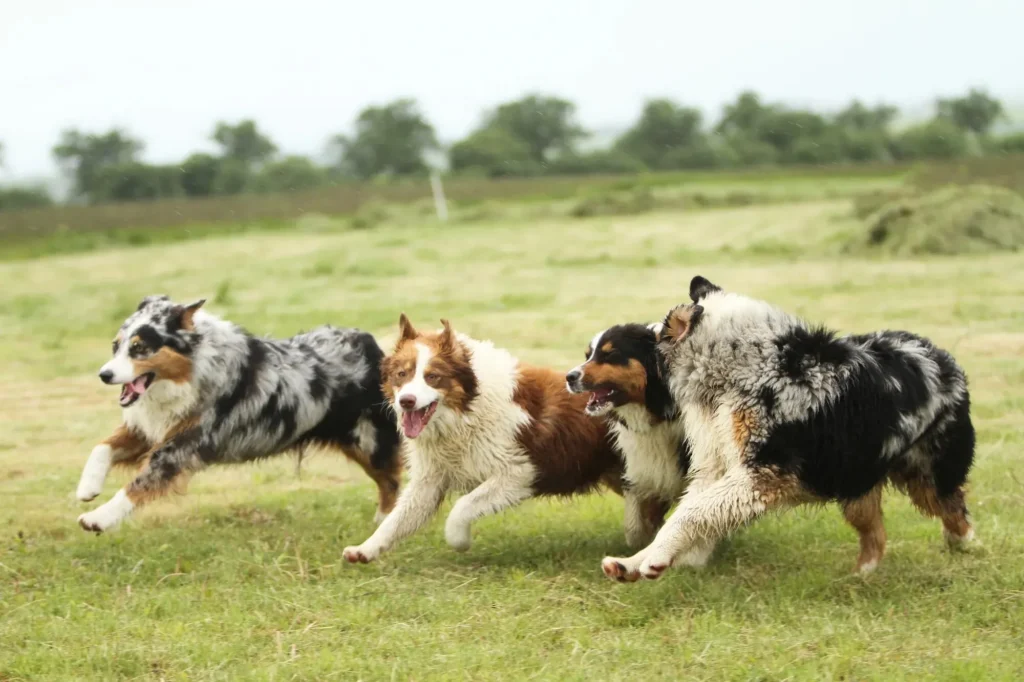

Dogs face many distractions every day—cars passing by, people walking near them, kids playing, other dogs barking, and new smells everywhere. While some dogs stay calm, many become excited, nervous, or overwhelmed. Learning to ignore distractions is an important skill, and one of the best ways to teach it is through Group Training Classes for Dogs. These classes give dogs a safe place to practice staying focused even when the world around them is busy.
Why Dogs Struggle With Distractions
Dogs react to movement, sound, and smells much faster than humans. Their senses are stronger, so everyday things can easily grab their attention. Without proper training, a dog may pull, bark, or ignore commands when something new appears. This can make walks stressful and training at home frustrating. Group Training Classes for Dogs help by giving dogs practice around real distractions in a controlled environment.
What Group Training Classes for Dogs Teach
Group classes teach dogs how to stay focused on their owner instead of reacting to everything happening around them. Dogs learn basic commands, calm behavior, and self-control. They also learn how to work around other dogs without becoming overly excited or anxious. These skills are important not only for good manners but for safety during daily outings.
Learning to Focus in a Busy Environment
Real-life situations are rarely quiet or predictable. Dogs need to learn to pay attention even when things around them are moving or making noise. Group Training Classes for Dogs create this experience naturally. With other dogs, people, and trainers in the same room, dogs learn that distractions are normal. Over time, they understand that they should look to their owner for direction instead of reacting to the environment.
Building Better Behavior Through Repetition
Dogs do not learn self-control in one or two training sessions. They learn through repetition and clear guidance. Group classes offer repeated exposure to controlled distractions, making it easier for dogs to build strong habits. When a dog practices calm behavior over and over again, that behavior becomes natural in everyday life.
Practicing Real-Life Scenarios
In group classes, trainers often create scenarios dogs will experience in the real world—like walking past other dogs, staying calm while people move around them, or waiting patiently until released. These situations help dogs learn how to stay focused even when something interesting is happening nearby. Over time, they gain confidence and respond better to commands outside the training room.
Learning Social Skills in a Safe Way
Some dogs become distracted because they are unsure how to act around other dogs. Group classes teach proper social behavior. Dogs learn how to greet politely, ignore unwanted interactions, and stay calm when other dogs are playing or barking. These social skills help reduce reactivity and make walks more enjoyable.
Training Owners to Give Clear Directions
Dogs handle distractions better when their owners communicate clearly. In Group Training Classes for Dogs, owners learn how to give commands at the right time, reward good behavior, and correct gently when needed. When owners feel confident, dogs feel more secure and focus better. Group classes improve both dog and owner skills.
When Extra Support Is Needed
Some dogs need more support before entering group classes. If a dog is extremely nervous or reactive, trainers may suggest Private Training for Dogs first. Private sessions help the dog build confidence and basic obedience without added pressure. For dogs with strong behavior issues or those needing more structure, programs like Dog Board and Training Chicago may be recommended. After gaining foundational skills, these dogs often succeed in group training with ease.
Teaching Dogs to Ignore Common Triggers
Every dog has different triggers—cars, bikes, cats, loud noises, or quick movement. Group classes expose dogs to these triggers in a controlled way. The trainer guides owners on how to redirect attention and reward calm behavior. With consistent practice, dogs learn that triggers are not threats and do not require a big reaction.
Building Confidence Through Exposure
Confidence reduces distraction. When dogs feel unsure, they react more strongly to what they see or hear. Group Training Classes for Dogs help build confidence by giving dogs safe experiences around new people, dogs, and environments. The more positive experiences they have, the more relaxed and focused they become.
Turning Distractions Into Learning Opportunities
Instead of avoiding distractions, group classes use them as teaching moments. If a dog looks away or becomes excited, the trainer helps guide the dog back to focus. This teaches the dog that distractions are simply part of life—and not something to fear or chase. With time, the dog learns how to stay calm even in noisy or busy environments.
Long-Term Benefits of Handling Distractions
Dogs that learn how to handle distractions become easier to take anywhere. Walks become more enjoyable, training becomes more effective, and daily life becomes smoother. These skills also help prevent unwanted behaviors like pulling, barking, or lunging. As focus improves, so does the bond between dog and owner.
Conclusion
Teaching a dog to handle distractions takes time, practice, and the right environment. Group Training Classes for Dogs offer the perfect setting for dogs to learn focus, self-control, and calm behavior around others. By practicing in a structured and supportive space, dogs gain the skills they need to stay focused in real-life situations. For dog owners who want lasting results and a confident, well-behaved companion, Prestige Dog Training offers group classes that help dogs grow and succeed in everyday life.