
Introduction to Chrome Hearts
Is Chrome Hearts Clothing Considered High-end Fashion? Is Chrome Hearts clothing considered high-end fashion? That question sparks heated debates across fashion forums, streetwear communities, and luxury circles alike. Some people see Chrome Hearts as an edgy streetwear label with sky-high prices, while others swear it belongs in the same conversation as legacy luxury houses. And honestly, that tension is exactly what makes the brand so fascinating.
High-end fashion has traditionally been associated with European heritage brands, refined tailoring, seasonal runway shows, and polished marketing campaigns. Chrome Hearts Clothing, on the other hand, feels raw, rebellious, and intentionally unpolished. There are no flashy billboards, no influencer-heavy marketing pushes, and no mass availability online. Yet despite—or maybe because of—this unconventional approach, Chrome Hearts commands jaw-dropping prices and unwavering loyalty.
The brand sits at a crossroads where craftsmanship meets counterculture. It’s worn by Rockstar’s, rappers, and Hollywood elites, yet remains relatively inaccessible to the average consumer. That paradox alone raises a deeper question: does luxury have to look traditional to be considered high-end? Or can authenticity, scarcity, and cultural relevance redefine what luxury really means?
To truly understand whether Chrome Hearts qualifies as high-end fashion, we need to dig deeper into its origins, production methods, pricing, exclusivity, and cultural impact. Because luxury isn’t just about how much something costs—it’s about how it makes people feel. And Chrome Hearts makes people feel something, whether they love it or hate it.
The Origins of Chrome Hearts: From Garage Brand to Global Icon
Chrome Hearts didn’t begin as a calculated luxury empire. It started in 1988 in Los Angeles, founded by Richard Stark, John Bowman, and Leonard Kamhout’s. At its core, the brand was born out of necessity rather than ambition. Stark wanted high-quality leather gear for bikers that actually held up under real-world use.
Unlike traditional fashion houses that often emerge from design schools or couture backgrounds, Chrome Hearts grew from a lifestyle. It was deeply influenced by biker culture, rock ‘n’ roll, and a disdain for mass production. This wasn’t fashion created to impress critics—it was created to be worn, abused, and lived in. That authenticity became the foundation of its appeal.
In the early days, Chrome Hearts gained attention not through advertising but through organic exposure. Musicians and artists began wearing the pieces because they resonated with the brand’s raw identity. Slowly, almost accidentally, Chrome Hearts built a cult following. It wasn’t chasing fame; fame came looking for it.
What’s important here is that Chrome Hearts never pivoted to become “luxury” in the traditional sense. Instead, luxury found Chrome Hearts. As demand grew and production remained limited, the brand’s value naturally increased. This organic evolution is rare in the fashion world and plays a huge role in why Chrome Hearts occupies such a unique position today.
What Defines High-end Fashion in the Modern Era
Before answering whether Chrome Hearts is high-end, we need to ask a bigger question: what does high-end fashion even mean today? Decades ago, the definition was pretty clear. Luxury meant heritage, European craftsmanship, exclusivity, and high price points. Think Paris, Milan, and London. But the fashion world has changed—and fast.
Cultural influence now holds as much weight as craftsmanship. Brands that shape identity, drive trends, and create emotional connections often stand shoulder to shoulder with legacy luxury houses. Streetwear’s rise into luxury spaces proves that the rules have shifted.
Modern luxury is about:
-
Craftsmanship and materials
-
Limited availability
-
Brand authenticity
-
Cultural relevance
-
Emotional desirability
Chrome Hearts checks many of these boxes, just not in the conventional way. It doesn’t rely on seasonal collections or trend forecasting. Instead, it builds value through scarcity, hand-made production, and a strong, unwavering identity. That consistency is something many high-end brands struggle to maintain.
In today’s landscape, luxury is less about fitting a mold and more about creating one. Chrome Hearts didn’t follow the blueprint—it ripped it up and made its own. And that’s precisely why it deserves serious consideration in the high-end fashion conversation.
Craftsmanship and Materials: The Backbone of Chrome Hearts
One of the strongest arguments for Chrome Hearts being high-end fashion lies in its craftsmanship. Unlike many luxury brands that outsource production, Chrome Hearts keeps much of its manufacturing in-house. Many pieces are handcrafted in the United States, which is rare in an industry dominated by overseas production.
The brand is especially known for its use of sterling silver, premium leathers, heavy cottons, and exotic materials. These aren’t decorative afterthoughts—they’re central to the design. Chrome Hearts Hoodie silver hardware alone often weighs significantly more than similar embellishments from other brands, adding both literal and symbolic weight to each piece.
Every detail feels intentional. From hand-stitched leather panels to custom hardware molds, the production process is slow and meticulous. This commitment to quality limits output, but it also ensures consistency. You’re not just paying for a logo—you’re paying for hours of skilled labor and material integrity.
When compared to traditional luxury houses, Chrome Hearts doesn’t fall short in craftsmanship. In fact, in some cases, it surpasses them. The difference is that Chrome Hearts doesn’t feel the need to shout about it. The quality speaks quietly, revealing itself over time rather than at first glance.
Pricing Strategy: Does Cost Equal Luxury?
Chrome Hearts pricing often shocks first-time buyers. A simple t-shirt can cost hundreds of dollars, while leather jackets and jewelry can reach five figures. Naturally, this raises eyebrows. Is it overpriced hype, or is there substance behind the numbers?
Luxury pricing is rarely just about materials. It reflects production scale, labor intensity, brand positioning, and exclusivity. Chrome Hearts produces in small quantities, uses premium materials, and maintains strict control over distribution. That alone drives costs upward.
Unlike mass luxury brands that benefit from economies of scale, Chrome Hearts operates almost like a bespoke workshop. Limited output means higher per-unit costs. Add in domestic production, skilled artisans, and custom hardware, and the pricing starts to make more sense.
More importantly, people are willing to pay. In luxury, perception is reality. If a brand consistently sells at high prices and maintains demand, it occupies a luxury space by definition. Chrome Hearts has proven this over decades, not seasons.
Exclusivity and Scarcity: A Core Luxury Principle
Luxury thrives on scarcity, and Chrome Hearts understands this better than most. There’s no official e-commerce platform, and authorized retailers are few and far between. Many purchases require visiting a physical store or having an established relationship with a sales associate.
This lack of accessibility isn’t accidental—it’s strategic. By making the brand harder to obtain, Chrome Hearts increases its desirability. In a world where most fashion is just a click away, Chrome Hearts slows everything down. That friction adds value. It turns shopping into an experience and ownership into a statement.
Chrome Hearts vs Traditional Luxury Fashion Houses
When comparing Chrome Hearts to traditional luxury fashion houses like Gucci, Louis Vuitton, Dior, or Balenciaga, the contrast is striking. Traditional luxury brands operate on visibility. They rely on runway shows, seasonal collections, celebrity ambassadors, glossy campaigns, and global e-commerce platforms. Chrome Hearts does almost the opposite—and that’s exactly why it stands out.
Legacy luxury houses are built on heritage narratives that often span over a century. They emphasize lineage, archives, and evolution over time. Chrome Hearts, while younger, has built a heritage of its own—one rooted in counterculture rather than aristocracy. Instead of aristocrats and ateliers, its mythology is shaped by bikers, musicians, and artists.
Another key difference lies in accessibility. Walk into almost any major city, and you’ll find multiple luxury brand boutiques. Chrome Hearts stores, however, are rare and intentionally discreet. Some don’t even display signage prominently. This gives Chrome Hearts an underground feel, even though its prices and clientele rival the biggest luxury names.
What truly separates Chrome Hearts is its refusal to scale in the traditional sense. Where luxury houses aim for growth, Chrome Hearts prioritizes control. That resistance to mass exposure preserves its exclusivity. In many ways, Chrome Hearts behaves more like a private luxury atelier than a global fashion conglomerate—and that alone places it firmly in the high-end category, just on a different wavelength.
Celebrity Endorsement Without Traditional Advertising
One of the most fascinating aspects of Chrome Hearts is how deeply embedded it is in celebrity culture—without ever really trying. The brand doesn’t pay for endorsements. There are no official brand ambassadors. Yet Chrome Hearts is everywhere on A-list celebrities.
From rock legends and hip-hop icons to actors and athletes, Chrome Hearts has become a uniform for cultural tastemakers. What makes this powerful is that the adoption feels organic. Celebrities wear Chrome Hearts because they want to, not because they’re contractually obligated.
This organic endorsement creates a level of authenticity that money can’t buy. When people see their favorite artists wearing Chrome Hearts off-duty—at airports, studios, or casual outings—it reinforces the idea that the brand represents a lifestyle, not just fashion.
Streetwear Meets Luxury: A Category-Defying Brand
Chrome Hearts exists in a space that didn’t even have a name when the brand was founded. Long before “luxury streetwear” became a buzzword, Chrome Hearts was blending casual silhouettes with uncompromising craftsmanship and luxury pricing.
T-shirts, hoodies, denim, and trucker hats are typically associated with streetwear. Chrome Hearts elevated these everyday items through material quality, hand-crafted details, and limited availability. Suddenly, a hoodie wasn’t just a hoodie—it was a statement piece.
This fusion blurred the lines between streetwear and high fashion, paving the way for countless brands that followed. Today, many luxury houses collaborate with streetwear labels to stay relevant. Chrome Hearts never needed to collaborate—it already lived at that intersection.
Design Language: Gothic, Bold, and Instantly Recognizable
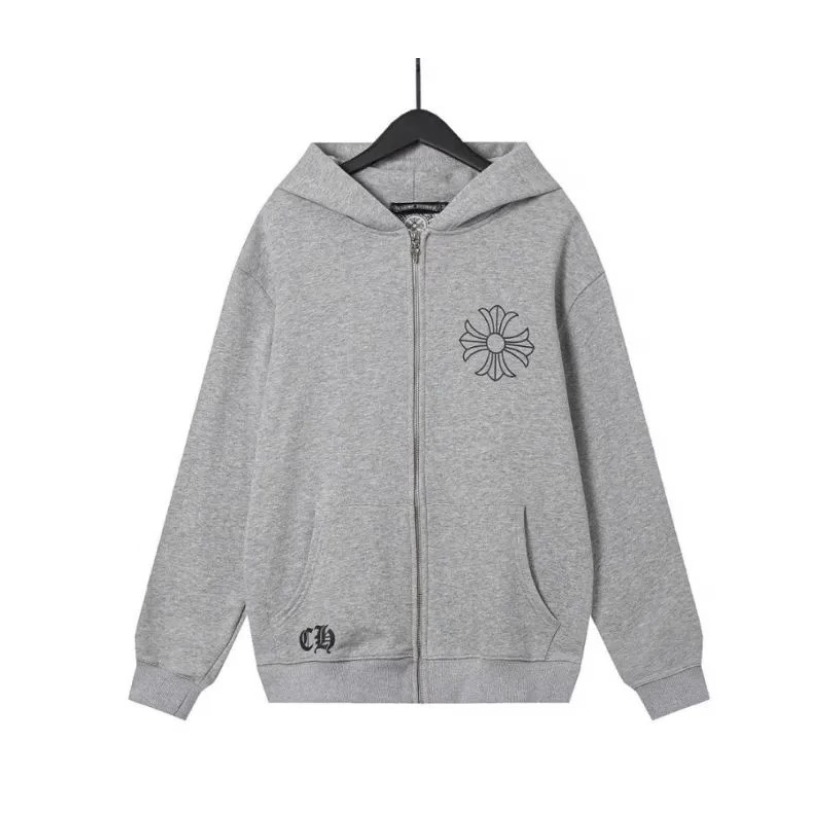
Chrome Hearts designs are unmistakable. Gothic crosses, fleur-de-lis motifs, dagger imagery, and Old English typography dominate the brand’s visual language. These elements aren’t subtle—and that’s intentional.
Luxury doesn’t always mean quiet. Chrome Hearts embraces maximalist in a way that feels personal rather than performative. The designs resonate deeply with people who identify with rebellion, individuality, and nonconformity.
This strong identity is also why Chrome Hearts is polarizing. Some people love it; others don’t get it at all. But indifference is rare. And in fashion, strong reactions are often a sign of powerful design. Read More….