

Every customer wants food to taste the same each time they order. When a brand keeps flavor steady across every branch, it earns trust. Flavor consistency is what makes big names stand out in food service. It helps customers remember the taste they like and return often. To keep flavor steady, brands must use the same ingredients, methods, and timing. Trained staff and clear recipes also help keep taste right. Food quality checks must be part of every kitchen plan. Brands that guard flavor gain loyal buyers who trust every bite.
How Do Ingredients Affect Flavor Consistency?
Fresh and measured ingredients are the base of steady taste. When brands change type or source, flavor changes fast. Each item must come from the same trusted supplier. Using the same seasoning mix or oil gives the same result every day. Many brands mark dates on products to track use. Wrong storage can change the texture and smell of food. Even a small change in spice level can shift flavor balance. Staff must follow a written recipe without skipping steps. Regular checks keep stock fresh. Flavor consistency depends on discipline with every supply batch. Without control, each branch may serve a dish that tastes different.
Why Is Recipe Standardization Important for Taste Control?
Recipe standardization builds a solid base for steady results. Every branch must follow the same steps and the same order. If one cook adds more salt or cooks longer, the taste changes. Brands write clear recipes for each dish to guide workers. Step by step direction removes guesswork and saves time. Measured portions of spices and sauces are checked before cooking. When the recipe stays the same, training becomes easier for new staff. Flavor consistency comes from strict recipe control. Regular audits help spot mistakes early. When all kitchens follow the same rule, customers get the same taste everywhere they go.
How Do Staff Training Programs Support Flavor Consistency?
Training makes kitchen team work alike. New workers learn methods for each dish early. They see how timing affects taste and texture. Regular practice keeps skills sharp. Good training helps staff handle rush hours without losing focus. Brands that skip training face big taste gaps. Workers must taste the final product often to check balance. Some brands hold small tests each week to ensure steady results. Sharing feedback keeps workers aware of standards. Flavor consistency grows strong when every cook follows the same habit daily. Well trained staff become protectors of brand taste and customer trust.
Why Should Top Brands Care About Custom Fry Liners With Logo?
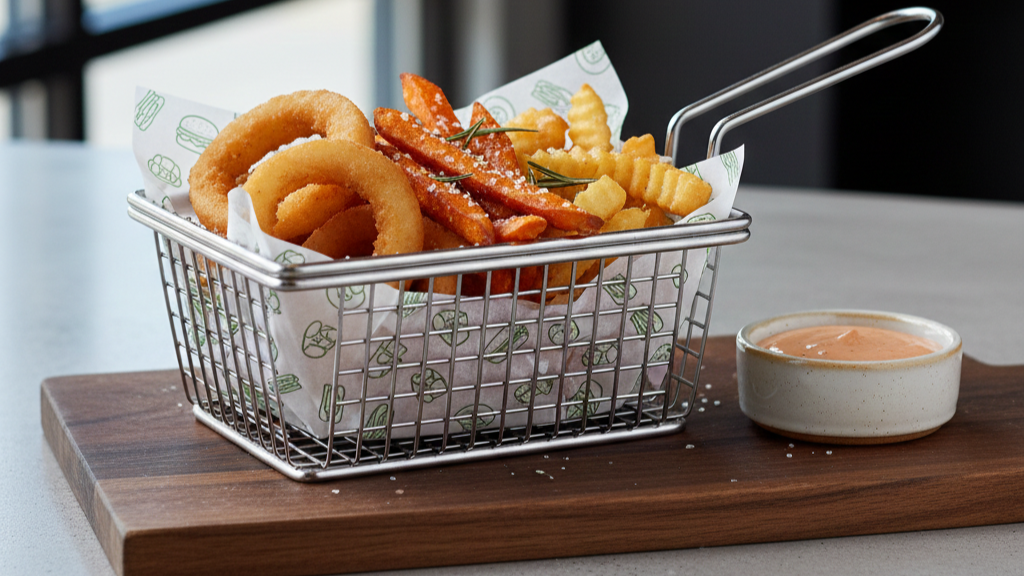
Good wrapping keeps fries steady in taste till they reach your hand. When food looks clean and tastes the same every time, buyers feel safe. Simple tools like liners show brand care. Customized food basket liners for fast food do more than carry fries neatly. They also protect height and texture during travel. Fry liners stop moisture from soaking crisp fries. Clean liners help food look fresh and organized. Flavor consistency grows when wrapping supports freshness and quality on every order.
How Does Equipment Calibration Help Maintain Flavor Consistency?
Cooking machines must stay in the right condition for steady results. Ovens, fryers, and grills need regular checks. If the temperature is off, food may burn or undercook. Many brands use digital tools to test heat level each week. Equipment must be cleaned often to stop flavor mix between items. Using the same tools across all branches keeps the cooking pattern the same. Broken tools can ruin taste and delay orders. Workers must report faults quickly for repair. Flavor consistency depends on steady heat and timing. Calibrated tools give brands confidence in every batch they make. WaxPapersHub designs wraps that guard food from grease and loss of flavor.
How Can Quality Checks Improve Food Taste Uniformity?
Quality checks keep brand promise alive. Managers test random orders each day for flavor and look. They compare results with master samples kept in the base kitchen. If taste shifts, they trace issues to ingredients or process errors. Small details like oil freshness or sauce mix can affect taste fast. Regular inspections push staff to stay alert. Customers notice when the taste stays the same after many visits. Flavor consistency comes from care and correction. Good checks fix problems before it spreads to all branches. This keeps every outlet aligned in flavor and reputation.
What Role Does Customer Feedback Play in Flavor Control?
Customer feedback gives direct signs of success. Regular reviews show what tastes right or wrong. Brands read comments to see patterns in taste change. If many people notice bland or salty food, the kitchen adjusts the process. Digital reviews help large chains track results across cities. Managers meet chefs to fix taste based on feedback trends. Replying to customer comments shows respect and care. It builds stronger brand image and trust. Flavor consistency improves when customers feel heard and valued. Simple attention to feedback can guide teams toward steady taste growth.
How Do Global Brands Keep Flavor Steady in Different Countries?
Global food brands face challenges of taste change by location. Some adjust spice or salt level for local choice but keep the core taste the same. Standard base ingredients like oil and sauce stay unchanged. Brands train local staff to follow the main recipe line by line. Regular visits from head chefs help monitor results. Some big chains in the USA use digital cooking systems to check timing and heat. Each step ensures no major flavor change happens across outlets. Flavor consistency becomes key to global trust. Customers then enjoy the same bite from any branch they visit.
Why Is Consistent Supply Chain Important for Steady Flavor?
The supply chain keeps the same ingredients flowing across branches. If one outlet gets different stock, flavor may shift fast. Trusted suppliers give steady quality for sauces, oil, and meat. Delays or mix in supply cause uneven taste, while custom printed paper sheets for branding support consistent presentation. Brands must track delivery time and storage conditions daily. Cold items must stay under safe temperature during transport. Local stores must not swap ingredients without approval. Many brands use barcodes to record batch data. Flavor consistency grows when raw items stay the same. Reliable supply builds a bridge between kitchen process and customer taste satisfaction.
Conclusion
Flavor stays loyal only when every small step works in sync. Each branch must use the same recipe, tools, and timing to stay true. Training, quality checks, and good storage shape steady taste every day. Brands that care about consistency protect their image and profits. Customer feedback gives insight into how food feels and tastes. When all branches serve the same quality, customers feel valued and safe. Flavor consistency becomes proof of care and discipline. Strong processes and clean habits make each bite the same across every location.
