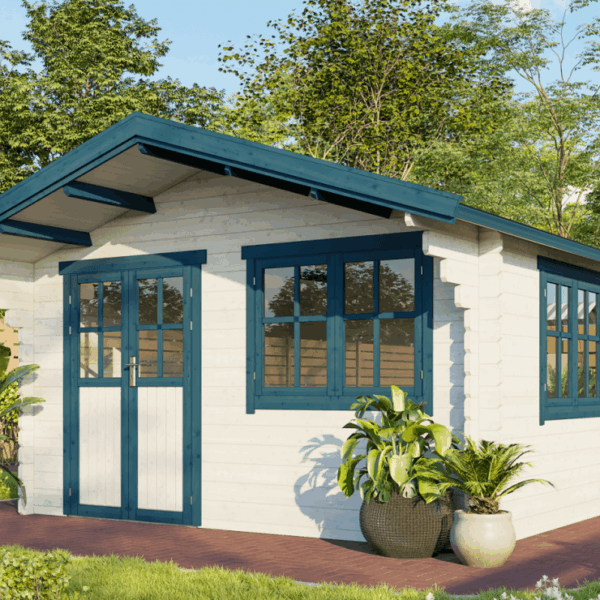

Strong insulation, solid timber walls, and predictable costs make irish log cabins one of the most practical housing and space solutions in Ireland today.
These cabins are not temporary sheds. They are engineered structures designed to handle rain, wind, and cold with ease. With proper construction, they provide warmth, comfort, and long-term value. Many homeowners now use them as garden rooms, offices, guest spaces, or full living areas. Faster build times and lower overall costs also add to their appeal.
When supplied and installed correctly, a log cabin delivers the comfort of a traditional build with far less disruption. Across Ireland, timber cabins continue to gain trust as a smart, weather-ready choice that suits modern lifestyles without overcomplicating the build process.
Built for Ireland’s Climate and Weather Conditions
Irish weather demands buildings that can cope with moisture, wind, and changing temperatures. Log cabins are naturally suited to these conditions. Solid timber walls help manage humidity and regulate indoor air.
According to the European Timber Trade Federation, wood absorbs and releases moisture slowly. This helps prevent damp buildup inside. That matters in Ireland’s climate.
Quality cabins also include raised bases, roof overhangs, and treated timber. These features protect the structure from rain splash and ground moisture. Proper drainage around the base further improves lifespan.
Modern cabins often include double-glazed windows and tight door seals. These reduce heat loss during colder months. When combined with good insulation, cabins stay warm without heavy heating use.
This climate-ready design makes timber cabins reliable for year-round use across rural and urban Ireland.
Why Irish Log Cabins Offer Long-Term Value
Irish log cabins deliver value through durability, energy savings, and controlled build costs. Unlike traditional builds, most cabin costs are clear from the start. This helps homeowners plan with confidence.
Timber construction is also efficient. Factory-cut components reduce waste and shorten build time. Less time on site means lower labour costs.
Research from Coillte Ireland shows timber buildings have a lower carbon footprint than concrete structures. This adds long-term environmental value.
Maintenance is simple when cabins are treated correctly. Regular staining and checks help preserve the wood for decades. Many quality cabins last 30 to 50 years or more.
For homeowners, remote workers, and rental hosts, this balance of cost and lifespan makes cabins a sound investment.
Fully Insulated Cabins for Year-Round Comfort
Insulation is what turns a cabin into a real living space. Modern log cabins are built with this in mind. Wall thickness often ranges from 70mm to 120mm, depending on use.
Thicker walls improve heat retention and noise control. Roof and floor insulation complete the thermal envelope. This creates stable indoor temperatures all year.
Key Insulation Features
- Solid timber walls with tight joints
- Insulated floors to block the ground cold
- Double or triple glazing for heat control
The Irish Green Building Council confirms that well-insulated timber homes reduce energy demand. This leads to lower heating costs over time.
For daily use, insulation quality matters more than size. A smaller, well-insulated cabin often feels warmer than a larger, poorly built one.
Flexible Uses for Homes, Work, and Rentals
One cabin can serve many roles over time. This flexibility increases its value. Many owners start with a garden room and later convert it into living space.
Remote workers often use cabins as quiet offices. These spaces offer separation from the main house. This improves focus and work-life balance.
Guest cabins are also popular. They give visitors privacy and comfort. Short-term rental hosts benefit too. Timber cabins attract guests seeking natural, cosy stays.
Tourism data from Fáilte Ireland shows rising demand for unique accommodation. Log cabins fit this trend well. With smart layout choices, a single cabin can adapt as needs change.
Professional Supply and Installation Matters
The quality of installation affects performance and lifespan. Even the best cabin design needs proper groundwork. This includes foundations, drainage, and level bases.
Experienced suppliers understand Irish soil and weather conditions. They plan installations to prevent future issues like damp or movement.
Companies such as Log Cabins Ireland offer nationwide delivery and professional fitting. This reduces risk for homeowners.
Professional installation also protects warranties and resale value. It ensures electrics, insulation, and structural elements meet safety standards.
Easy Planning and Faster Build Times
Log cabins simplify the build process. Many models arrive pre-cut and ready for assembly. This shortens build time significantly.
Some garden cabins do not require planning permission, depending on size and use. Residential use usually does. Local councils assess location and purpose.
Reputable suppliers often help guide planning steps. This reduces confusion for homeowners.
Faster builds also mean less disruption. Most cabins are installed within weeks, not months. This is ideal for families and working professionals. Time savings are one of the biggest reasons cabins continue to grow in popularity across Ireland.
Frequently Asked Questions
Q1: Are Irish log cabins suitable for full-time living?
Yes, when designed for residential use. Proper wall thickness, insulation, and foundations are essential. Double glazing and insulated roofs improve comfort. With professional installation, cabins can perform well year-round in Ireland’s climate.
Q2: How long do log cabins last in Ireland?
With treated timber and routine maintenance, cabins can last 30–50 years or more. Regular staining and moisture control are key. Quality construction greatly extends lifespan, even in wet conditions.
Q3: Do log cabins need planning permission?
It depends on size and use. Garden rooms may not need permission. Full-time living cabins usually do. Local councils decide based on location and purpose. Always confirm before installation.
Q4: Are log cabins energy efficient?
Yes. Timber provides natural insulation. When paired with modern insulation upgrades, cabins retain heat well. This reduces heating costs and improves comfort throughout the year.
Q5: Can log cabins be used for rentals or Airbnb?
Absolutely. Many owners use cabins for short-term rentals. Their natural design appeals to guests. Proper insulation and professional installation make them suitable for regular use.
Conclusion
To conclude, choosing a well-built log cabin is less about trends and more about long-term practicality, durability, and how well it performs in Ireland’s climate. Irish log cabins offer comfort, flexibility, and cost control without unnecessary complexity.
Suppliers such as Log Cabins Ireland, which focus on quality timber construction along with nationwide delivery and installation, naturally align with what homeowners and property owners look for in a reliable, low-maintenance cabin solution. This experience-driven approach often makes the overall investment more worthwhile over time.
If you want a durable, fully insulated timber cabin built for Irish conditions, now is the right time to take the next step and plan with confidence.