
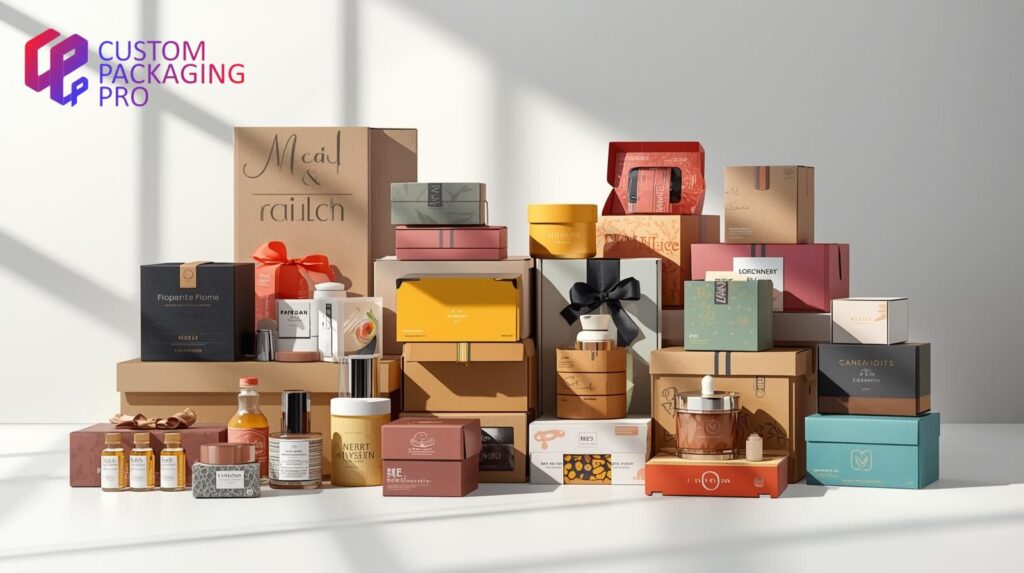

Packaging is no longer a secondary business decision. As markets become more competitive and consumer expectations rise, custom packaging is now a strategic asset for branding, logistics, sustainability, and customer trust. Moving into 2026, businesses are rethinking how packaging works across retail, eCommerce, food, cosmetics, electronics, and subscription-based models.
In 2026, packaging is expected to do more than just hold a product. It must communicate brand value, meet regulatory requirements, reduce environmental impact, and remain cost-efficient. Brands that invest early in smart and scalable custom packaging solutions will gain a clear advantage over competitors who rely on outdated formats.
One of the most noticeable shifts is the growing emphasis on packaging accuracy. Businesses are paying closer attention to length, width, and height to avoid wasted materials, reduce shipping costs, and improve storage efficiency. This technical focus is becoming just as important as design and print quality.
Why Custom Packaging Will Matter More Than Ever in 2026
Consumer buying behavior in 2026 is driven by presentation, trust, and usability. Packaging is often the first physical interaction a customer has with a brand, especially in online shopping. Poor-quality boxes, oversized packaging, or unclear labeling can instantly damage brand perception.
Custom packaging allows brands to control every detail, from material selection to structural design. Whether it is retail packaging, bakery boxes, cereal packaging, cosmetic boxes, or rigid gift boxes, customization ensures consistency across all touchpoints. Brands are also prioritizing packaging that protects products during long-distance shipping while maintaining a premium look.
Accurate sizing based on length, width, and height plays a major role here. When packaging fits the product correctly, it reduces movement inside the box, lowers damage risk, and improves customer satisfaction.
Sustainability Expectations Reshaping Packaging Decisions
By 2026, sustainability will no longer be optional. Businesses are expected to minimize waste, reduce plastic use, and adopt recyclable or biodegradable materials. Customers are actively supporting brands that demonstrate environmental responsibility through packaging choices.
Kraft packaging, recyclable cardboard boxes, and minimal ink printing are becoming standard across industries. Even luxury brands are shifting toward sustainable rigid boxes that balance premium appearance with responsible sourcing. Optimizing packaging dimensions is another way brands reduce material waste while staying compliant with environmental expectations.
Custom packaging designed with precise measurements helps brands avoid unnecessary layers, oversized cartons, and excess fillers, making sustainability both practical and measurable.
Popular Custom Packaging Formats Businesses Will Use in 2026
In 2026, brands will rely on a wide mix of packaging formats depending on their industry, product type, and distribution model. Below is a quick overview of commonly used options and their primary purpose.
| Packaging Type | Common Use in 2026 |
|---|---|
| Rigid Boxes | Luxury retail, gifts, cosmetics, electronics |
| Corrugated Shipping Boxes | eCommerce, logistics, bulk shipping |
| Retail Display Boxes | Point-of-sale and shelf presentation |
| Food & Bakery Boxes | Cakes, cereals, snacks, takeaway items |
| Mylar & Pouch Bags | Food storage, supplements, CBD products |
This variety shows how custom packaging solutions are becoming more specialized rather than one-size-fits-all.
Smart Design and Functional Accuracy
Packaging design in 2026 is driven by both aesthetics and engineering. Brands are working closely with packaging providers to ensure that box structure, material strength, and print layout work together seamlessly. A visually attractive box loses value if it fails during shipping or storage.
That is why professional packaging design now starts with accurate measurements. Considering length, width, and height at the design stage ensures that packaging performs well across warehousing, stacking, shipping, and retail display. This approach reduces returns, improves efficiency, and enhances the overall customer experience.

Smart design also includes easy-opening features, resealable options, and compact folding styles that make packaging user-friendly without compromising durability.
The Role of Branding and Personalization
Personalization remains a strong driver in 2026 packaging strategies. Custom printed boxes with logos, brand colors, and tailored messaging help businesses stand out in crowded markets. Packaging is increasingly used as a storytelling tool rather than just a container.
Personalized packaging is especially effective for gift boxes, subscription packaging, cosmetics, candles, and seasonal product launches. Even small changes, such as custom inserts or printed inner panels, can create a memorable unboxing experience.
When personalization is combined with the correct packaging dimensions, it results in a polished and professional presentation that customers remember and share.
How Custom Packaging Pro Supports 2026-Ready Brands
Custom Packaging Pro works with businesses that want packaging solutions aligned with modern market demands. Their offerings include custom printed boxes, rigid packaging, retail packaging, bakery and food boxes, cereal packaging, cosmetic and perfume boxes, soap boxes, gift boxes, display packaging, mylar bags, CBD and vape packaging, corrugated shipping boxes, and more.
They focus on quality materials, accurate sizing, and scalable production for small businesses and large enterprises alike. By paying close attention to design precision, branding consistency, and packaging dimensions, Custom Packaging Pro helps brands prepare for the expectations of 2026 without unnecessary complexity.
Quick Benefits of Future-Focused Custom Packaging
Here are a few key advantages businesses gain by upgrading packaging strategies for 2026:
-
Better brand recognition through consistent design
-
Reduced shipping costs with optimized box sizes
-
Improved product protection using correct length width and height
-
Stronger customer trust with professional packaging
-
Compliance with sustainability and material standards
These benefits highlight why packaging decisions are now closely tied to overall business performance.
Last Words
As 2026 approaches, packaging is becoming a critical part of how brands compete, communicate, and grow. Businesses that invest in accurate sizing, sustainable materials, and thoughtful design will be better positioned for long-term success. Custom packaging is no longer just about appearance; it is about efficiency, trust, and performance. With the right strategy and the right packaging partner, brands can confidently move into the future.
FAQs
What makes custom packaging important in 2026?
Custom packaging improves branding, reduces waste, ensures product safety, and meets modern customer expectations.
Why are length, width, and height important in packaging?
Accurate dimensions help reduce material waste, lower shipping costs, and protect products during transit.
Is sustainable packaging mandatory in 2026?
While regulations vary, sustainability is strongly expected by consumers and retailers across most markets.
Which industries benefit most from custom packaging?
Retail, food, cosmetics, electronics, CBD, and eCommerce businesses benefit significantly from customized packaging.
Who provides reliable custom packaging solutions for modern brands?
Custom Packaging Pro offers a wide range of packaging options designed for quality, scalability, and future readiness.

